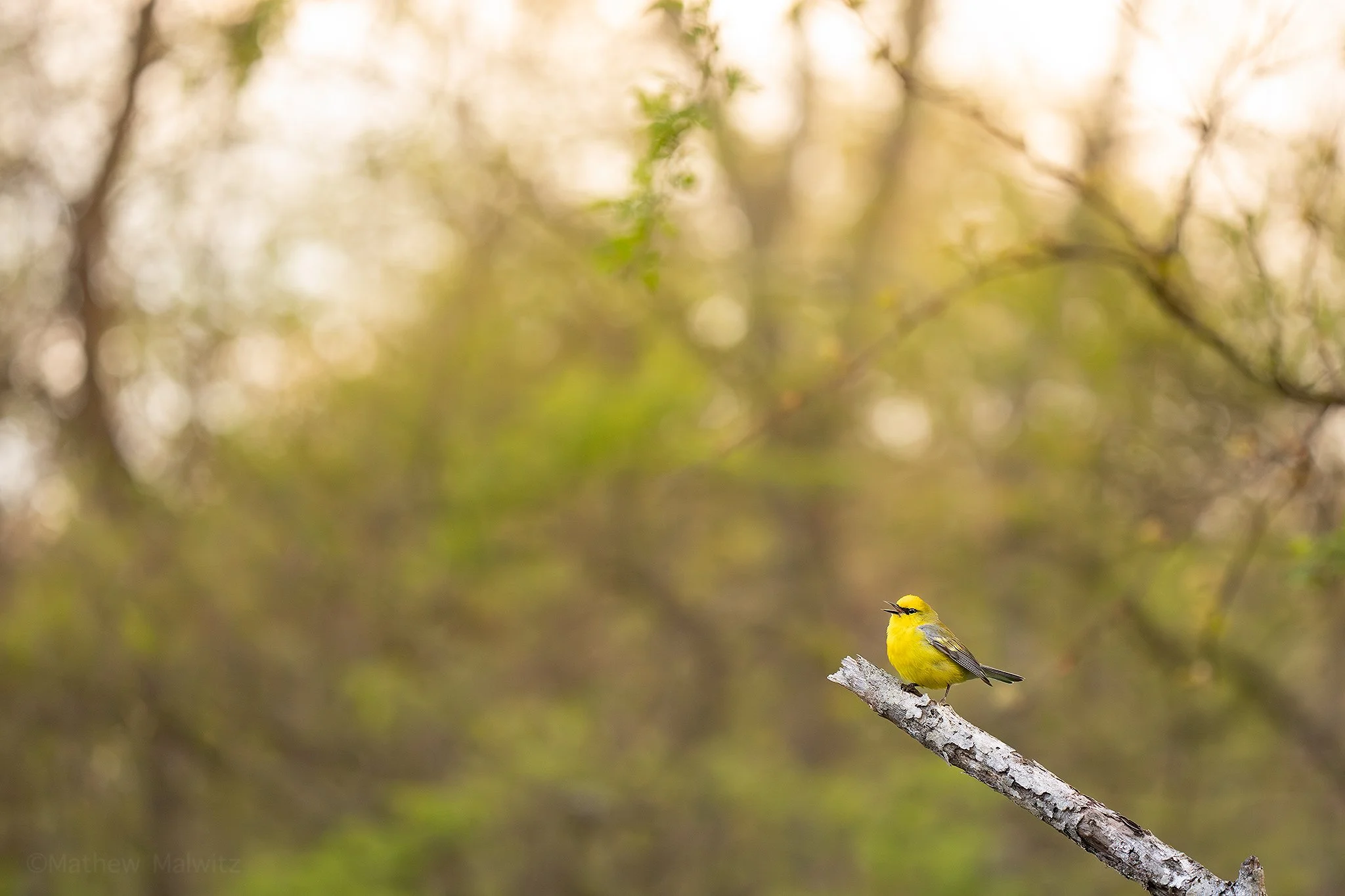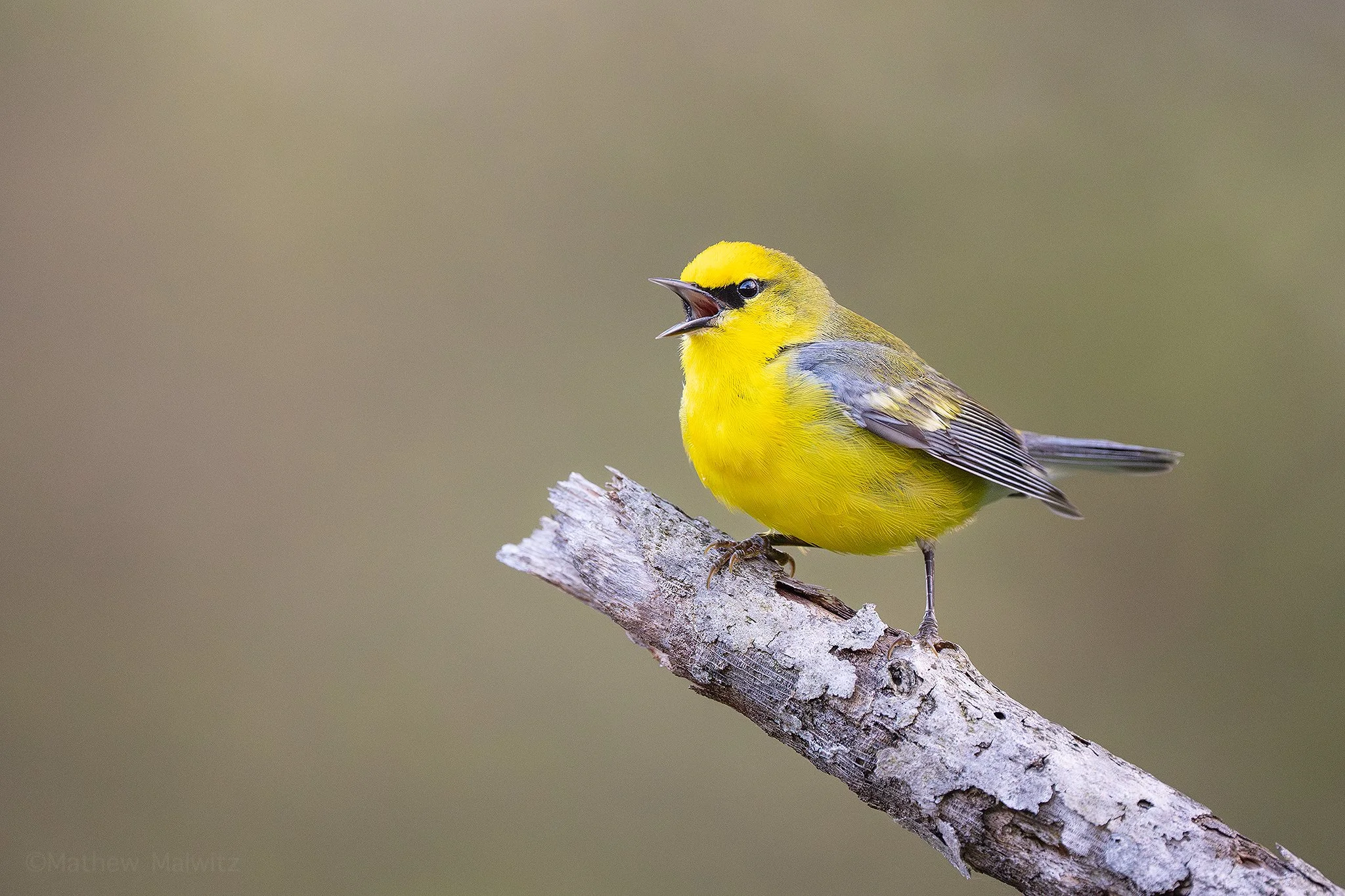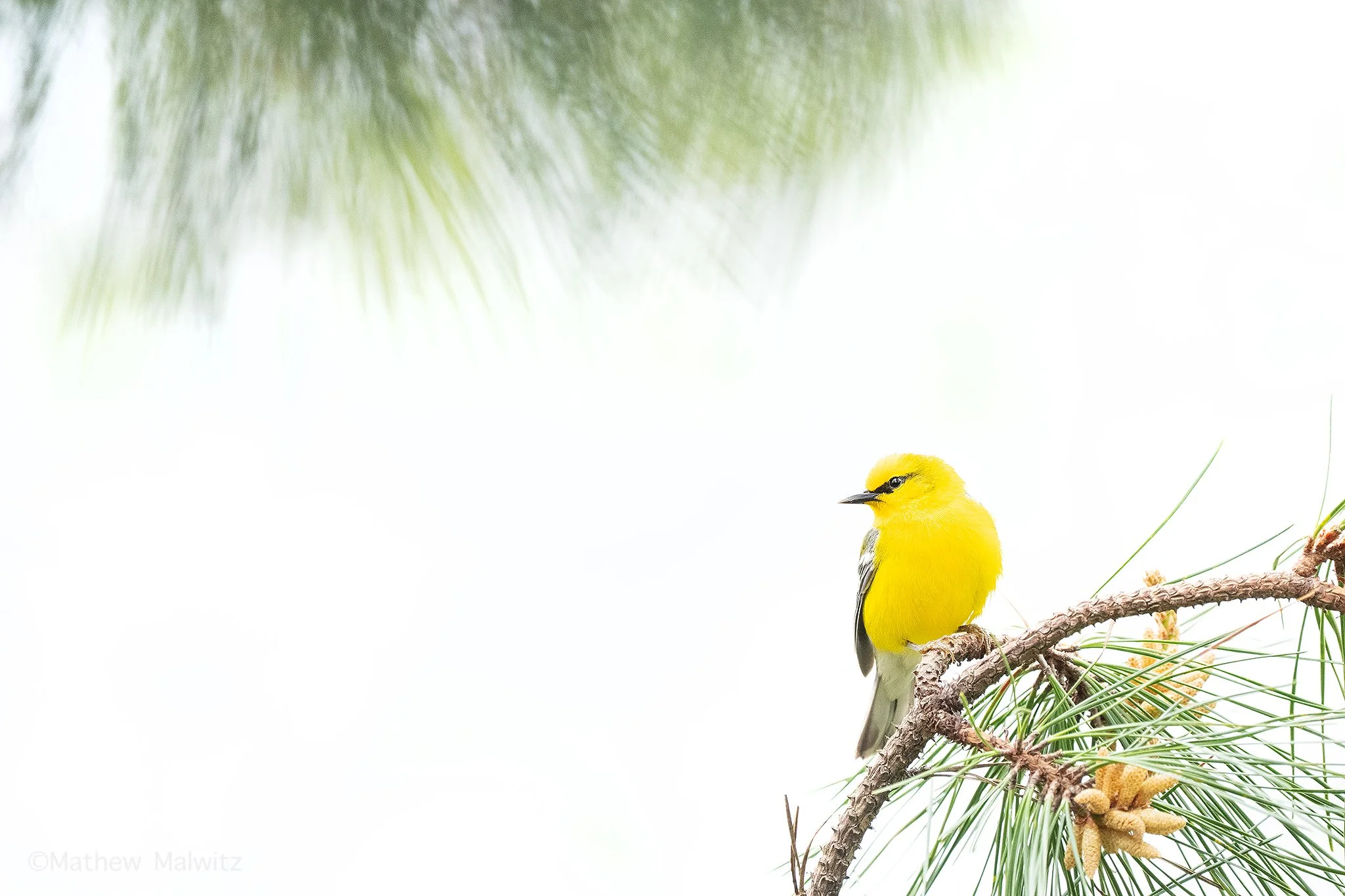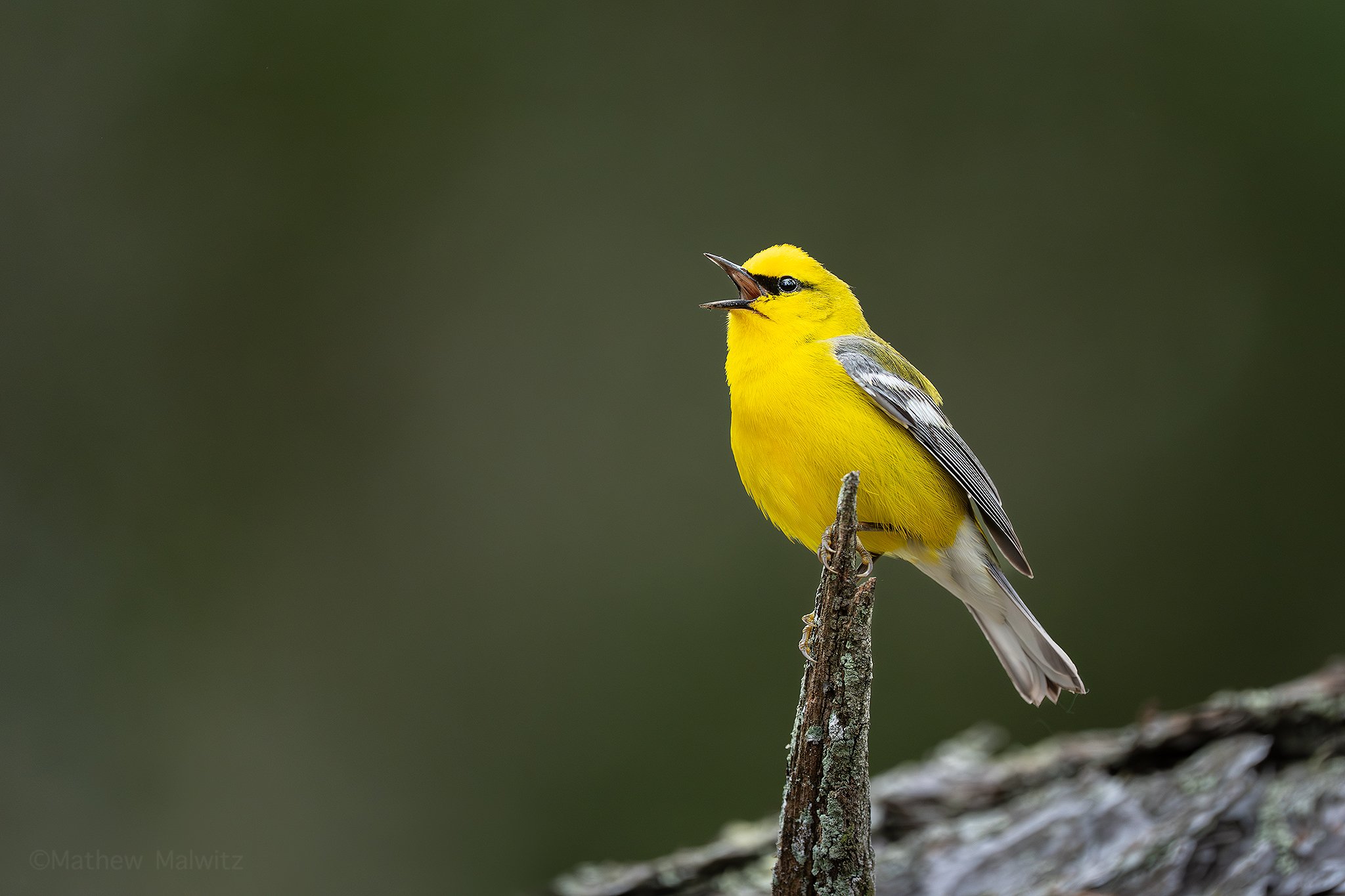
Warblers of Spring 2026
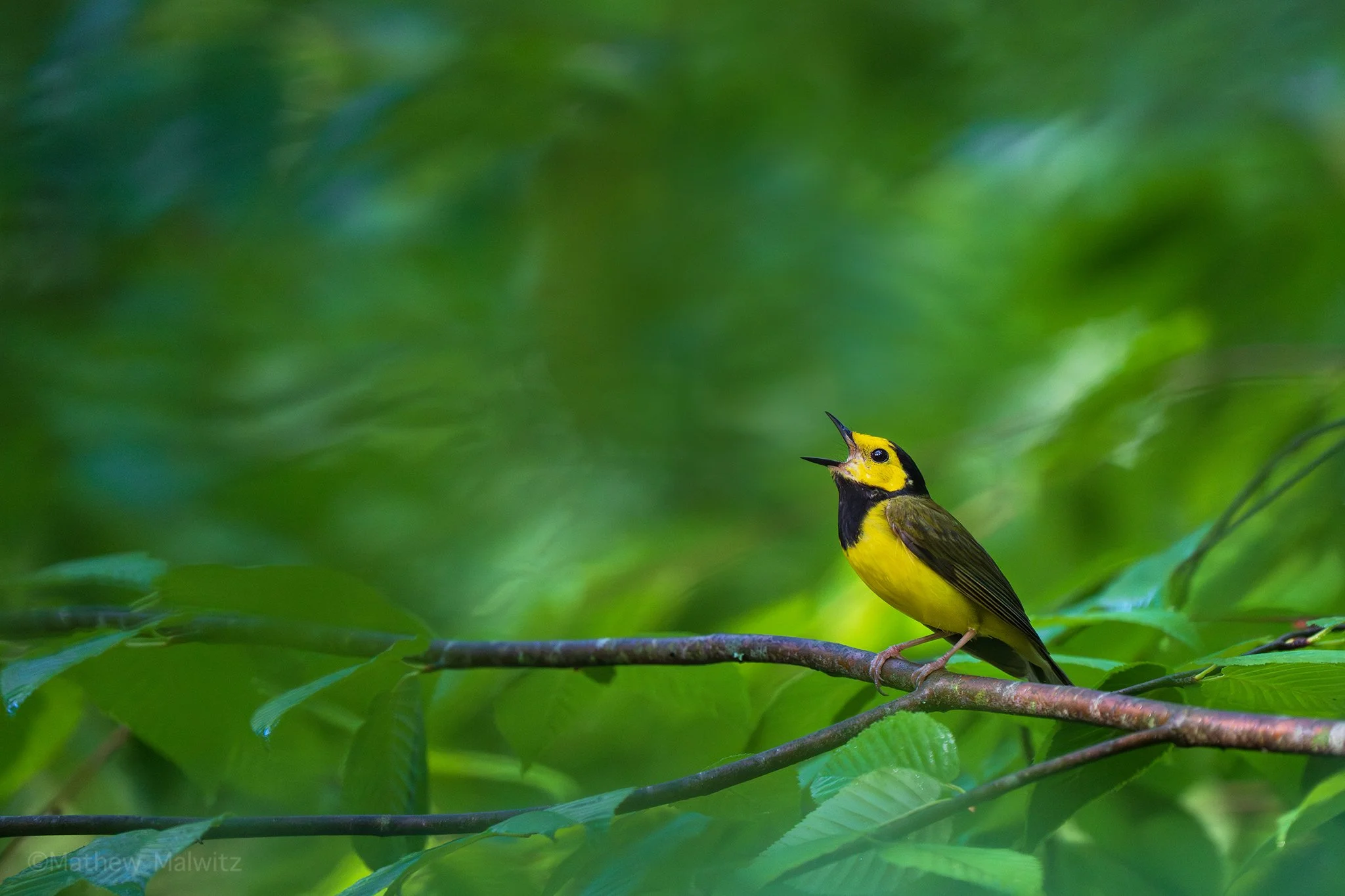
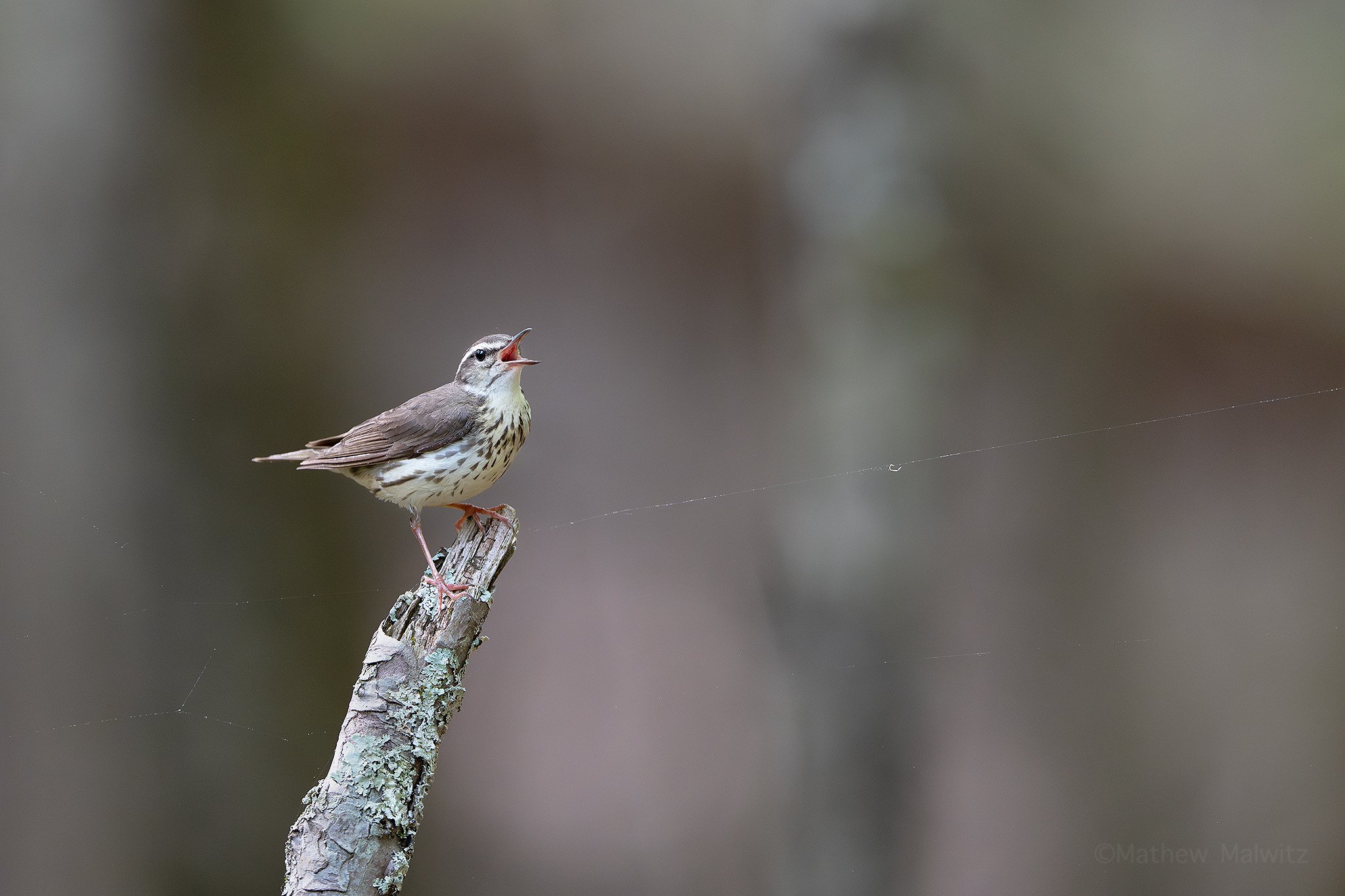
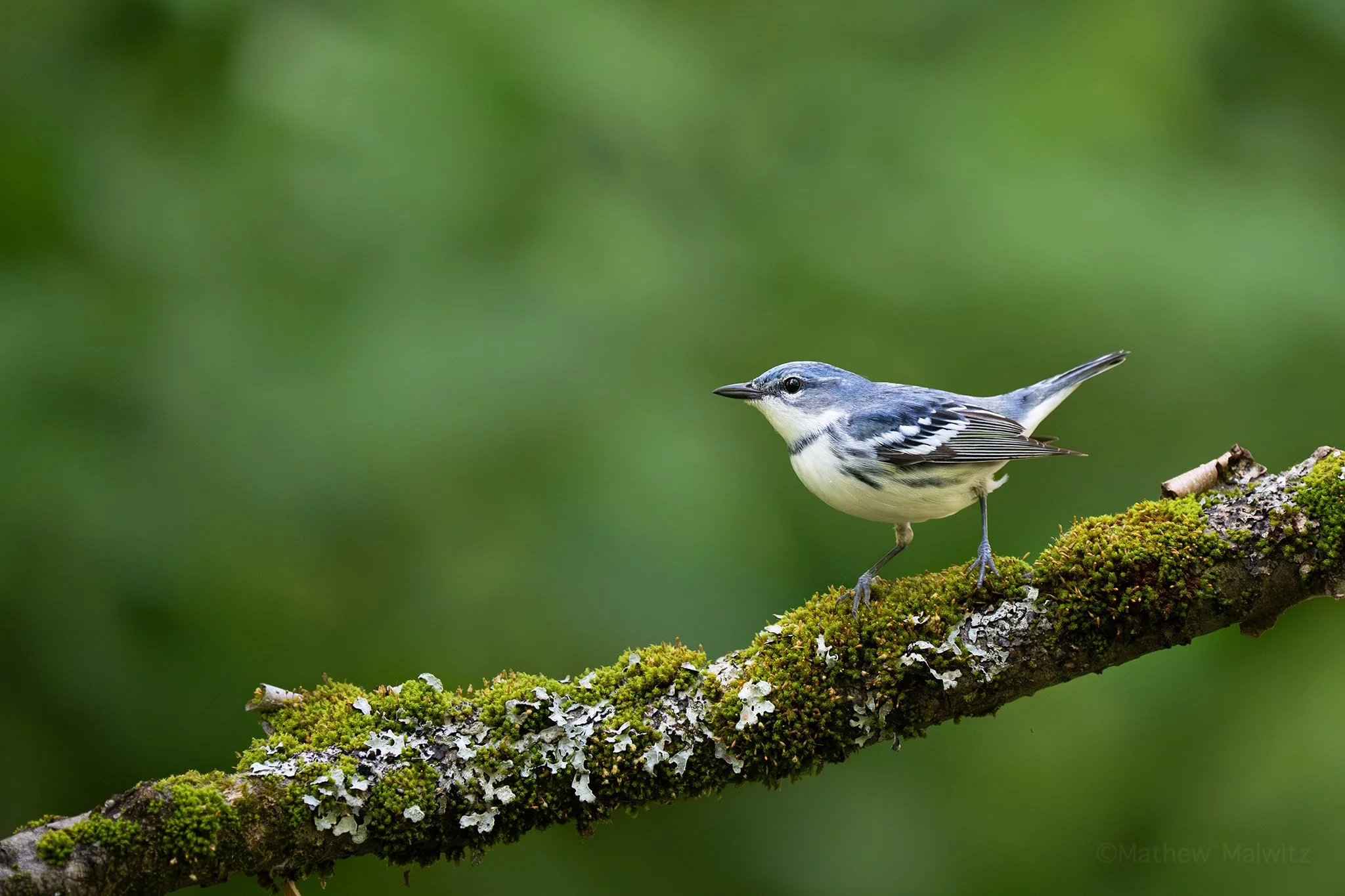
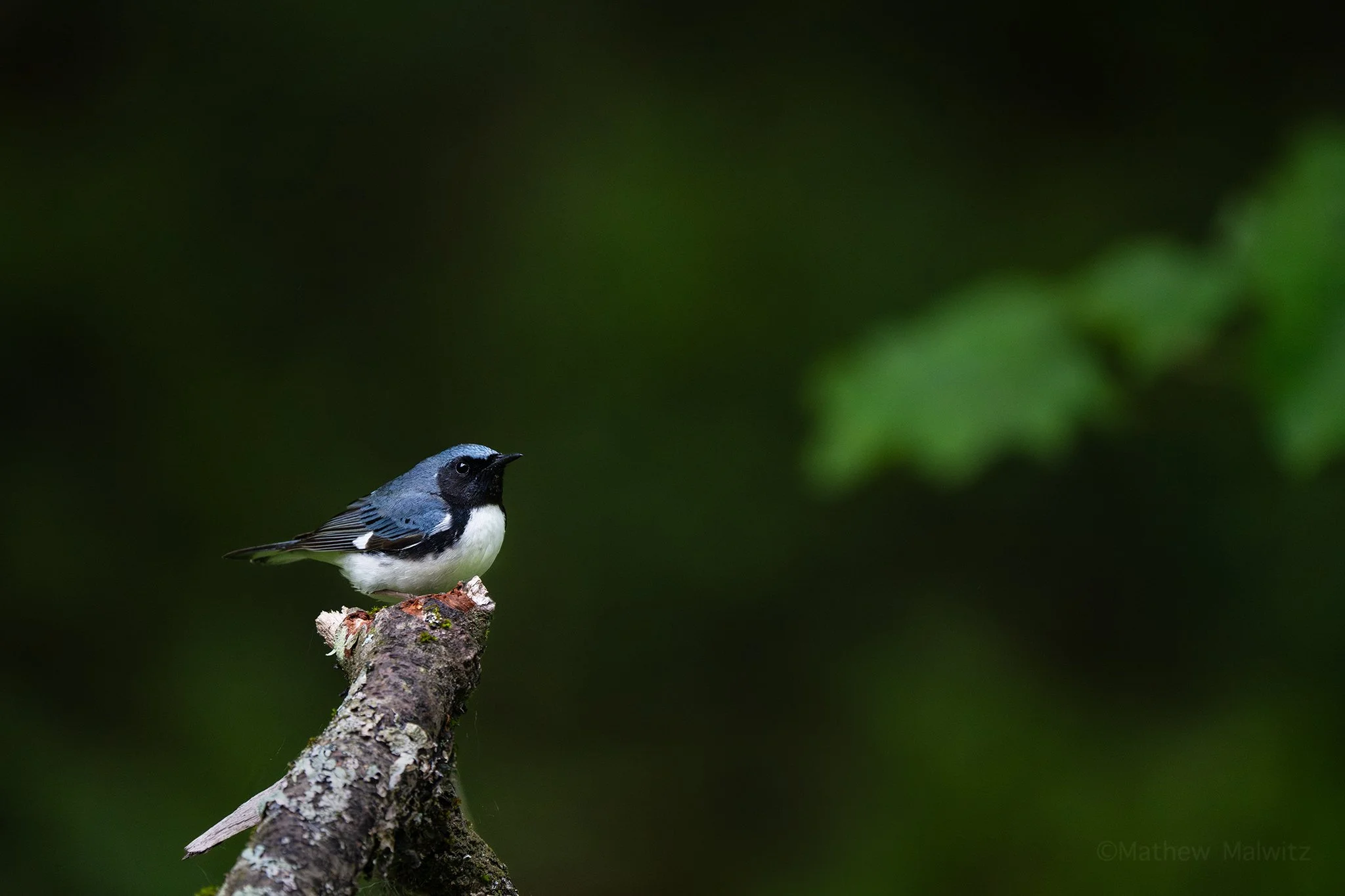
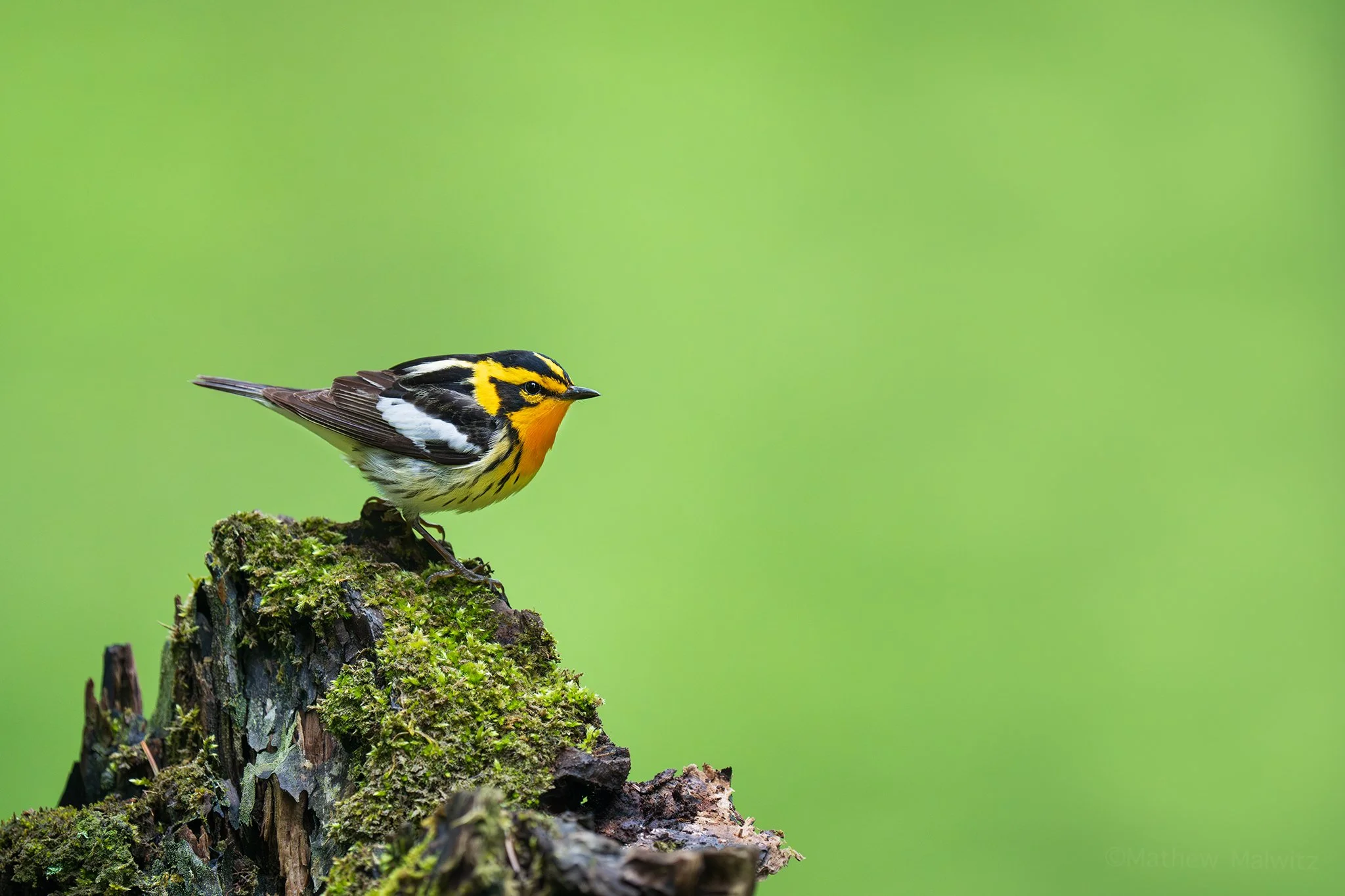
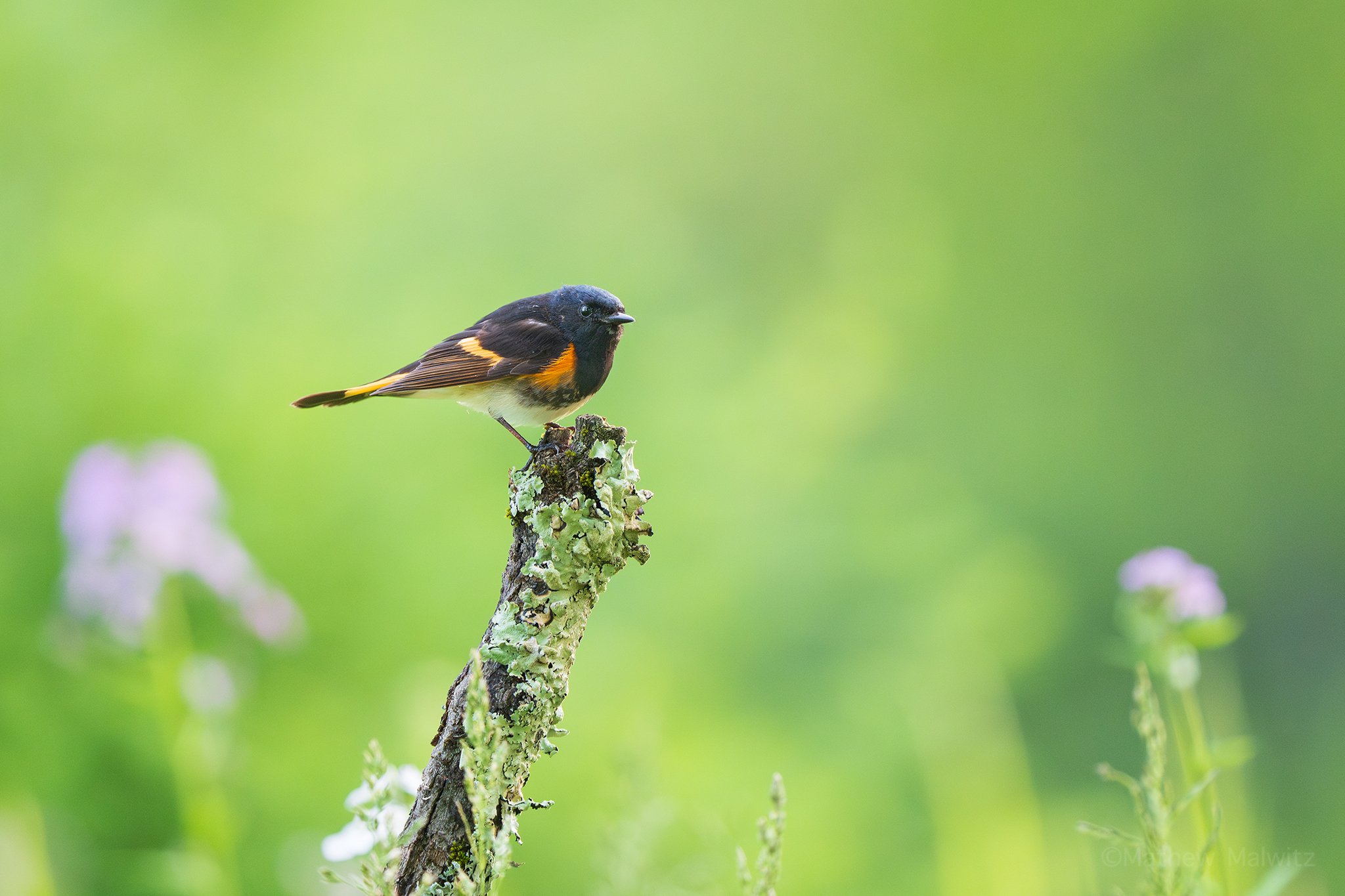
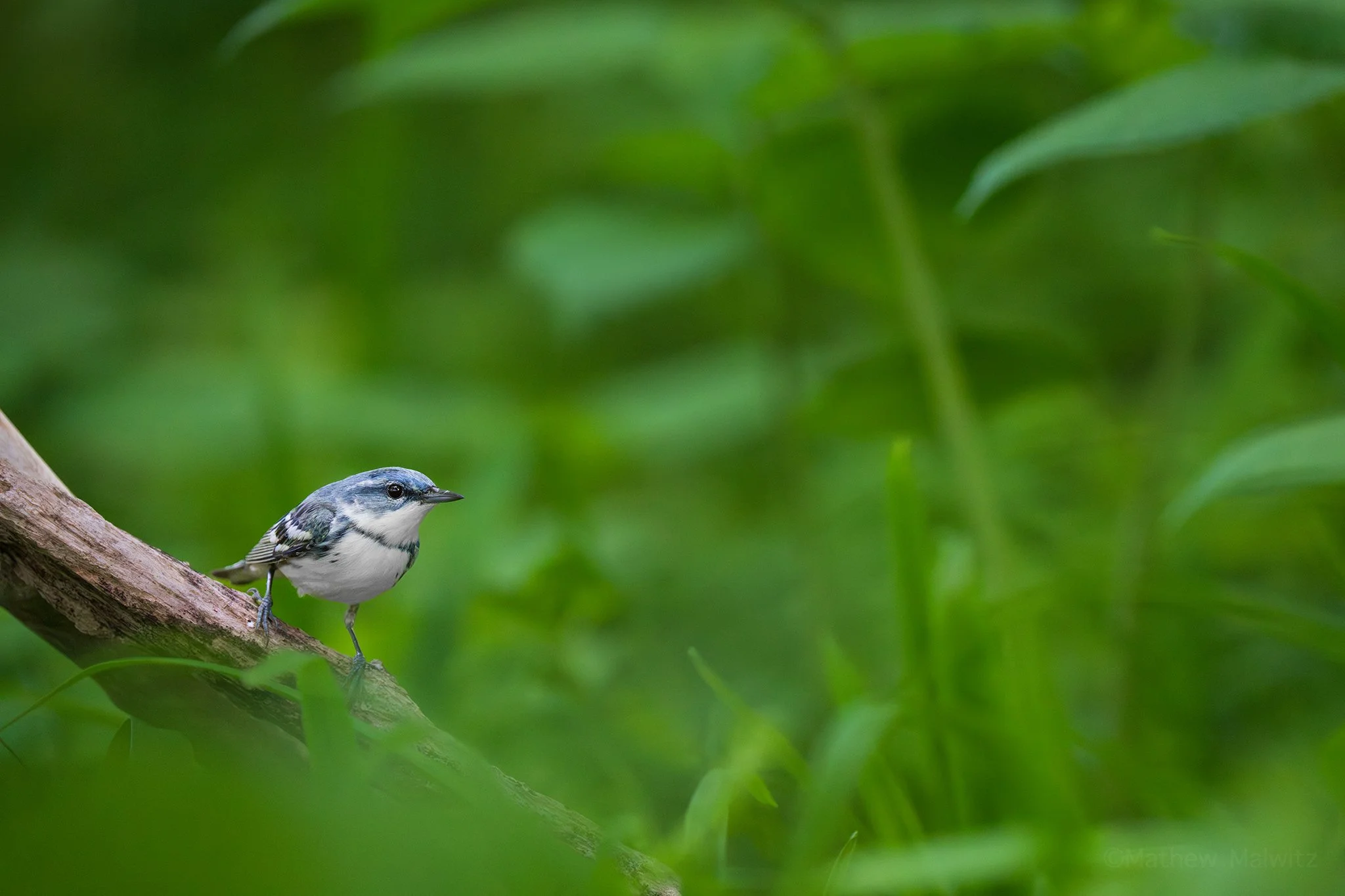
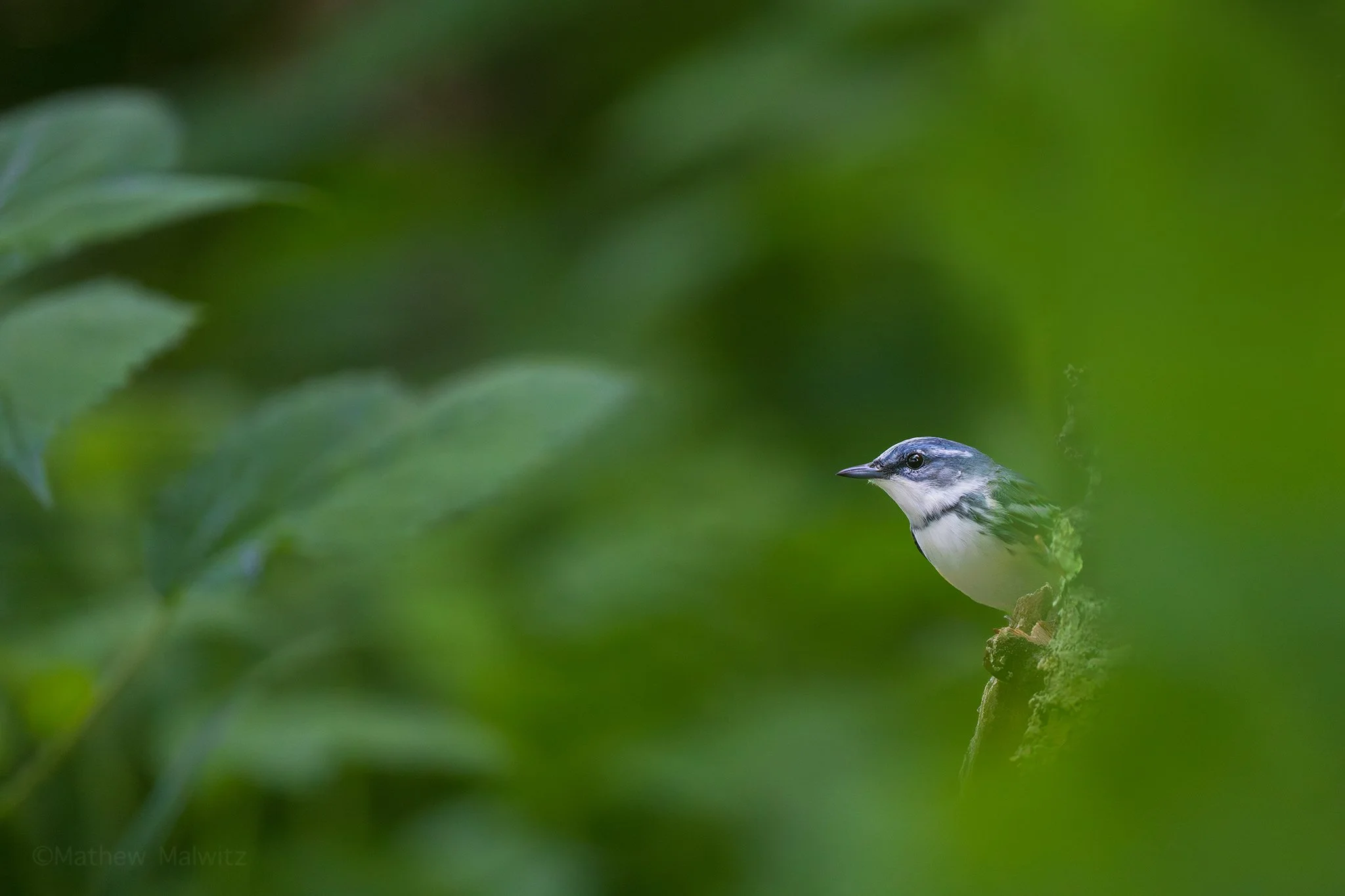
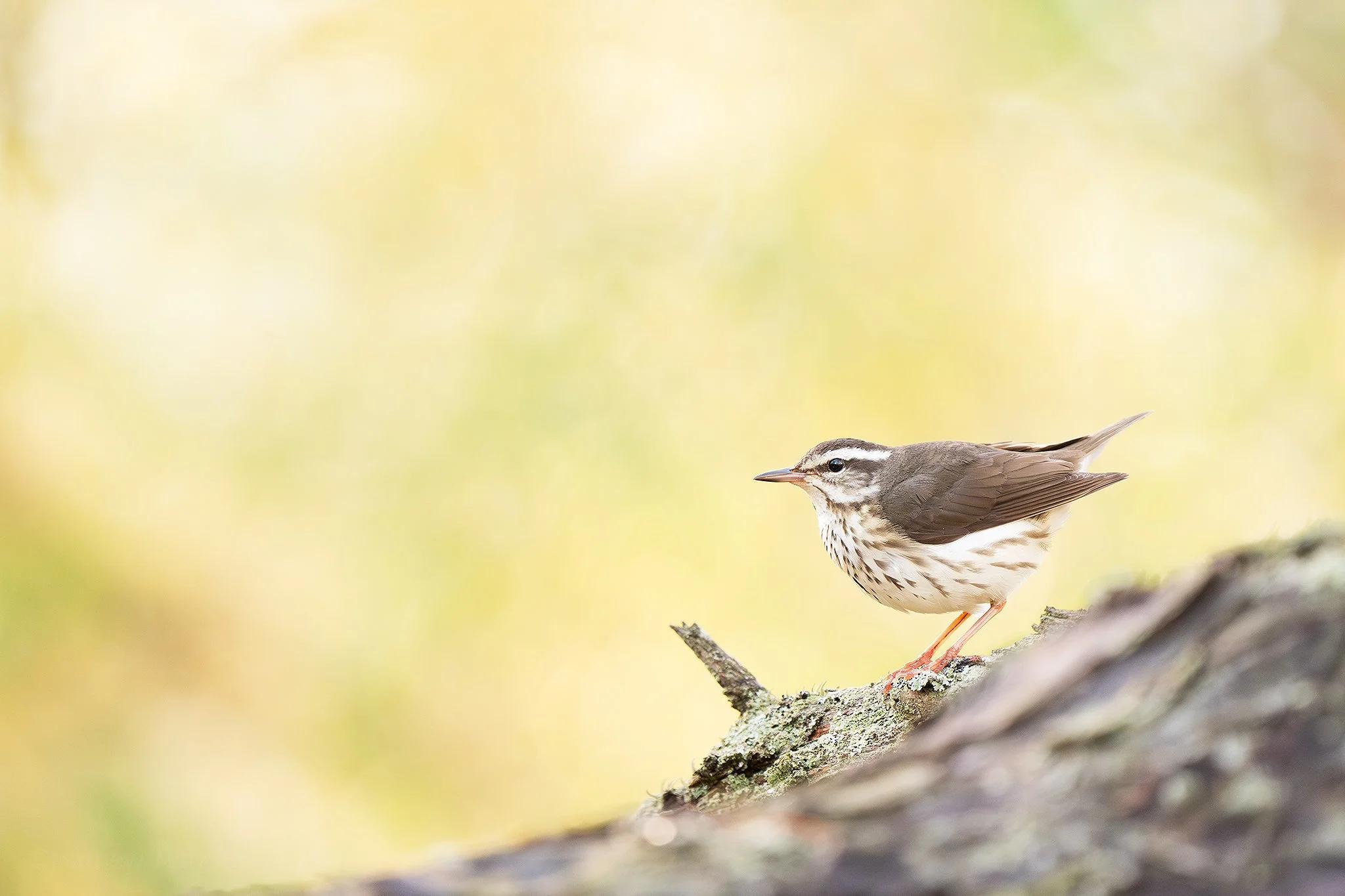
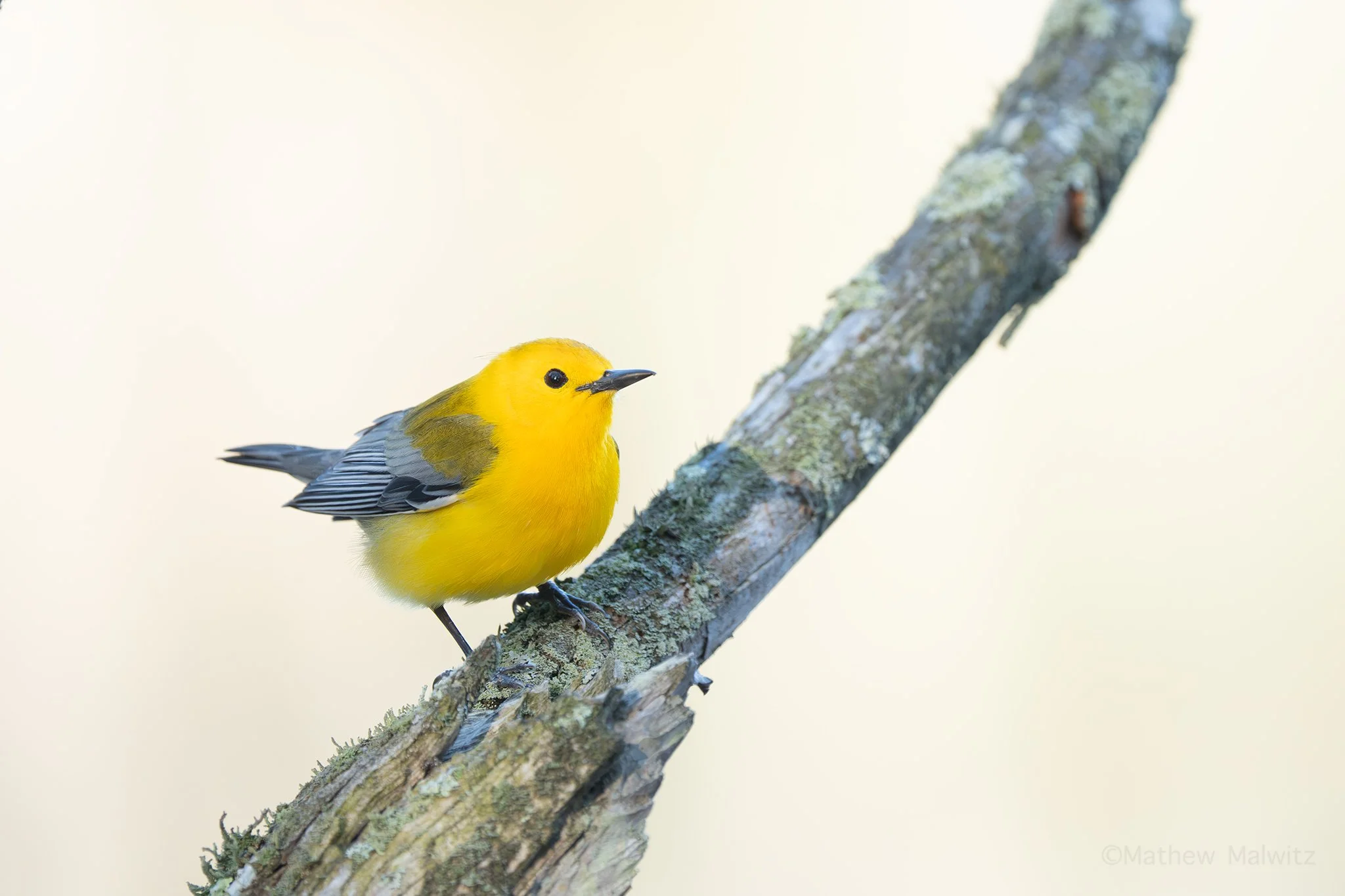
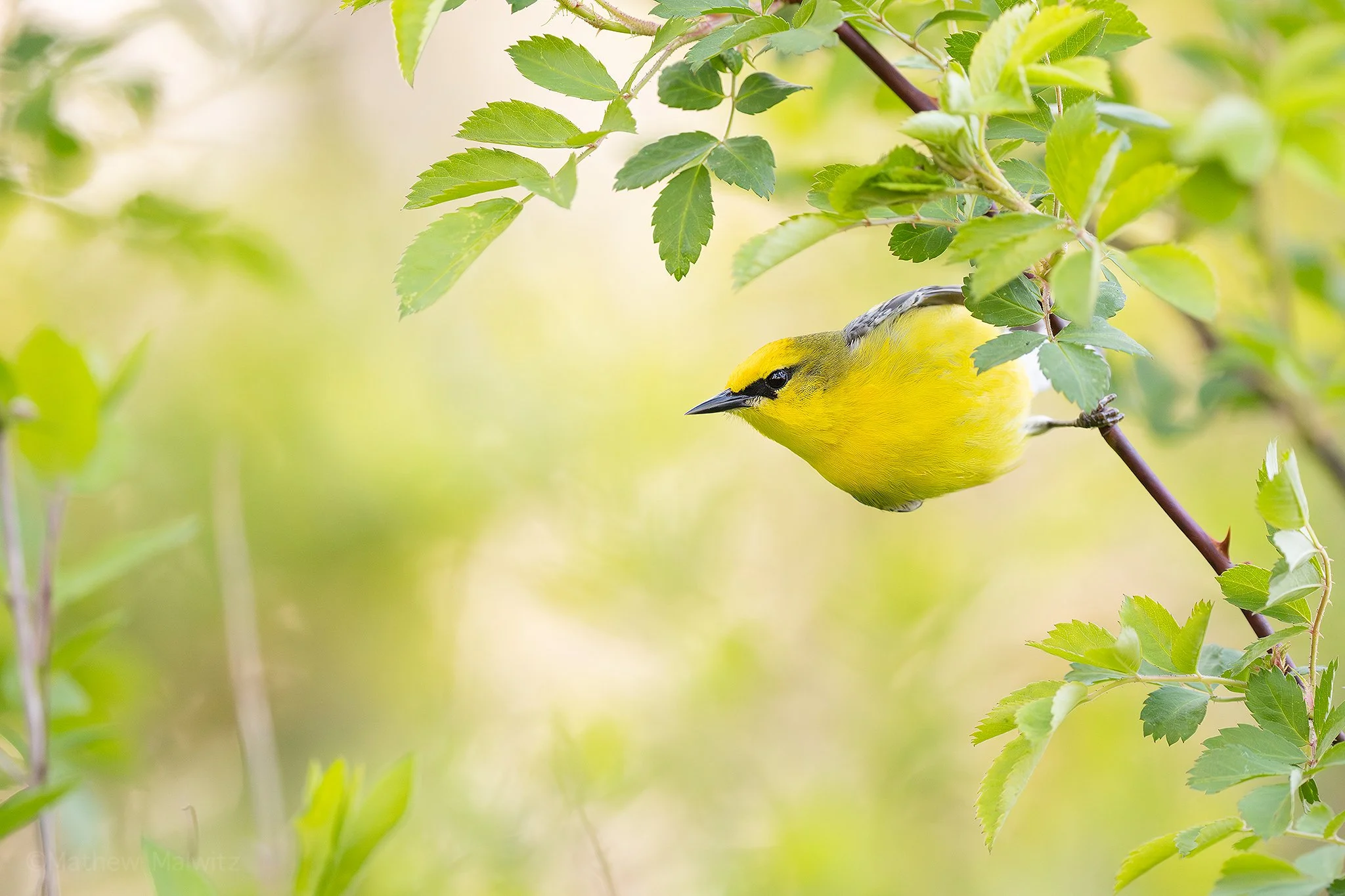
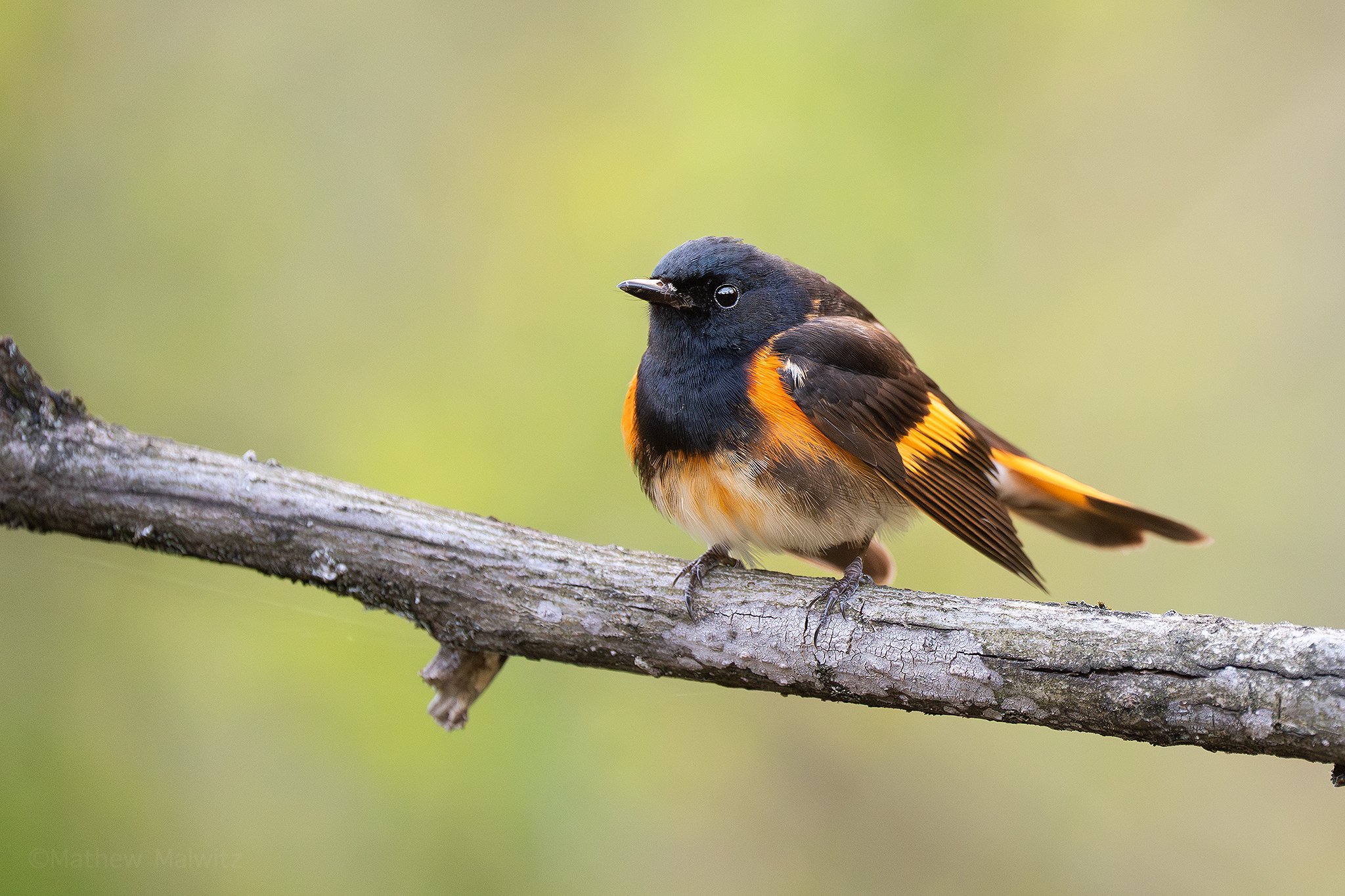
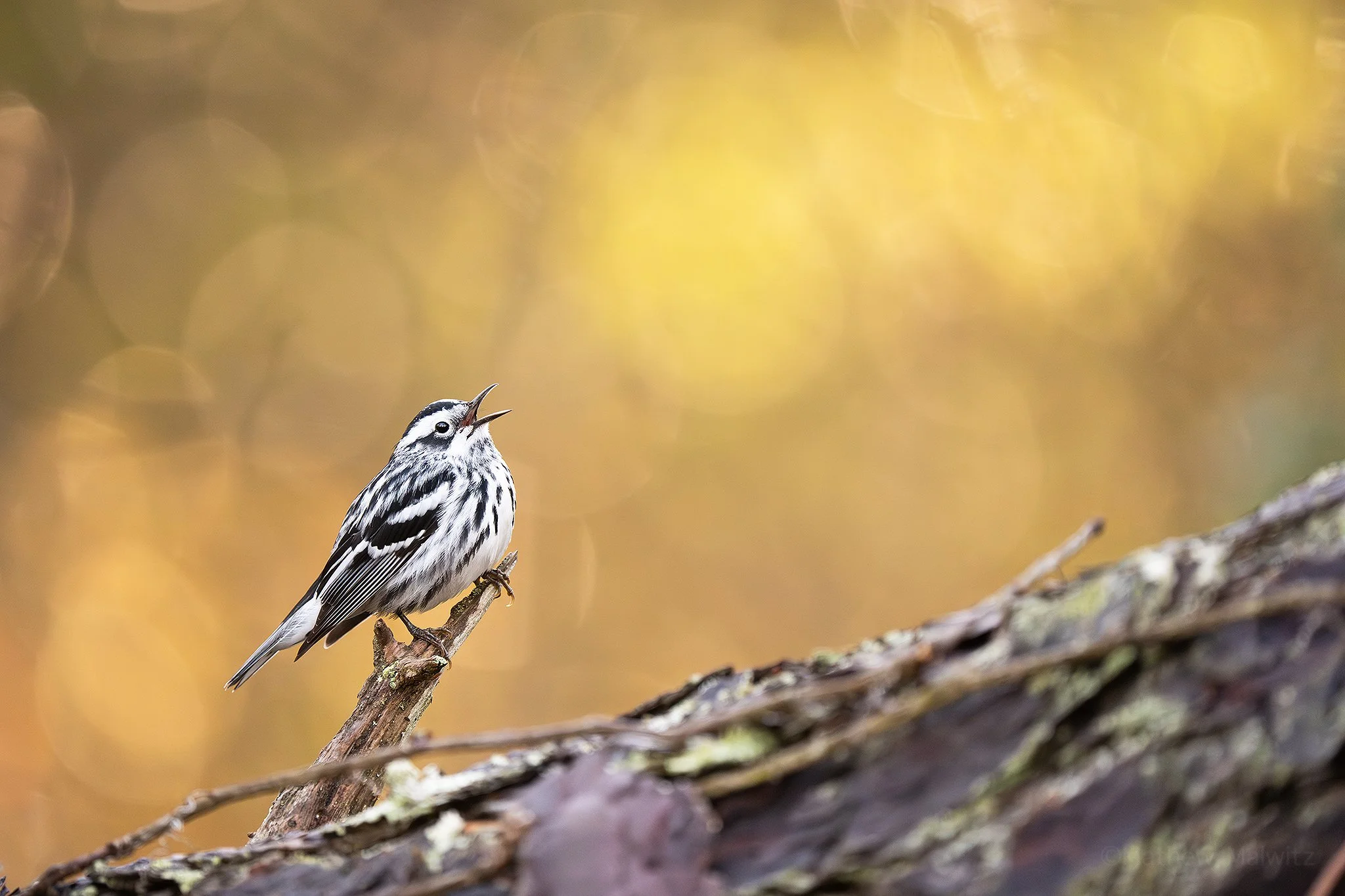
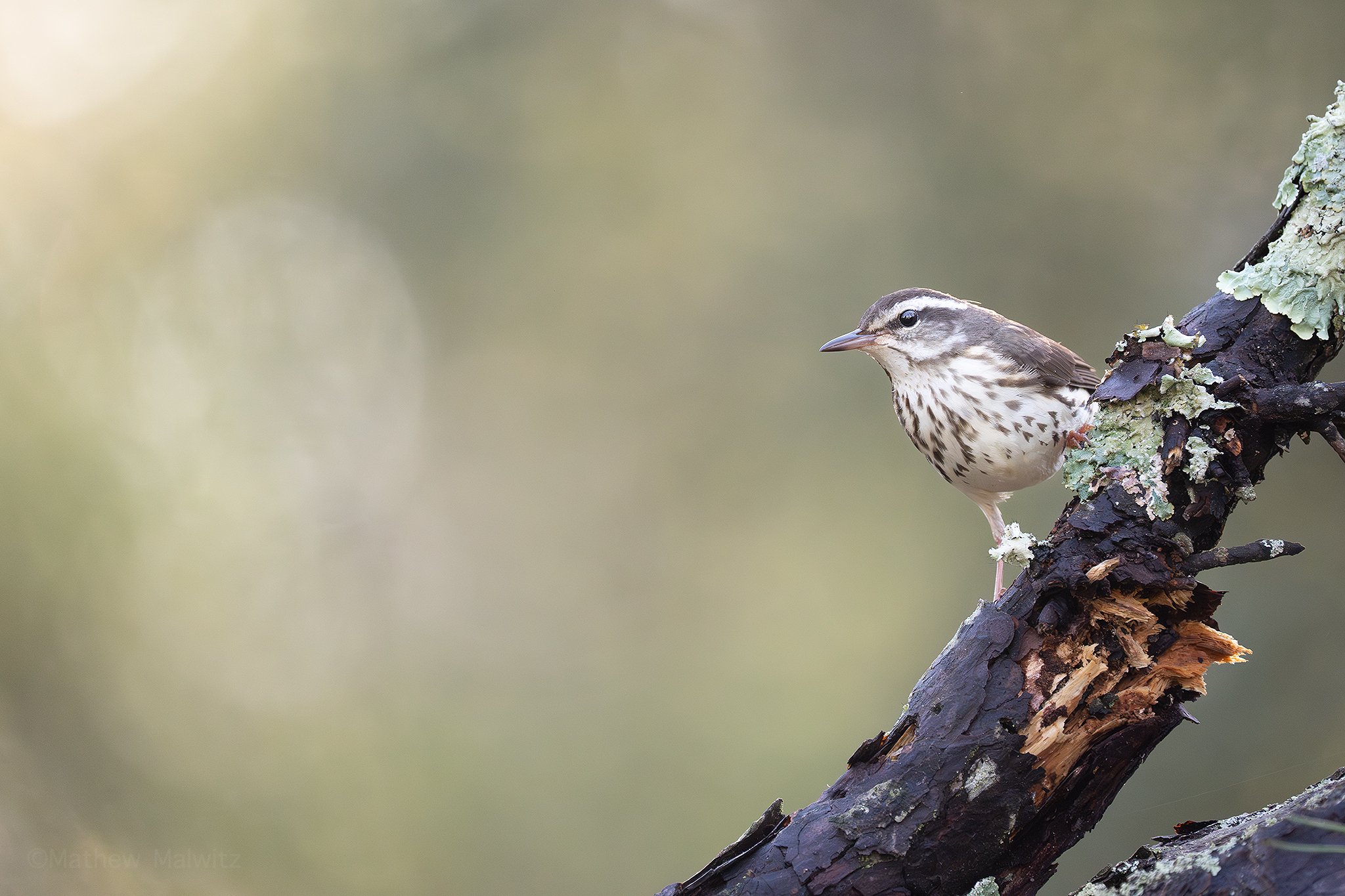
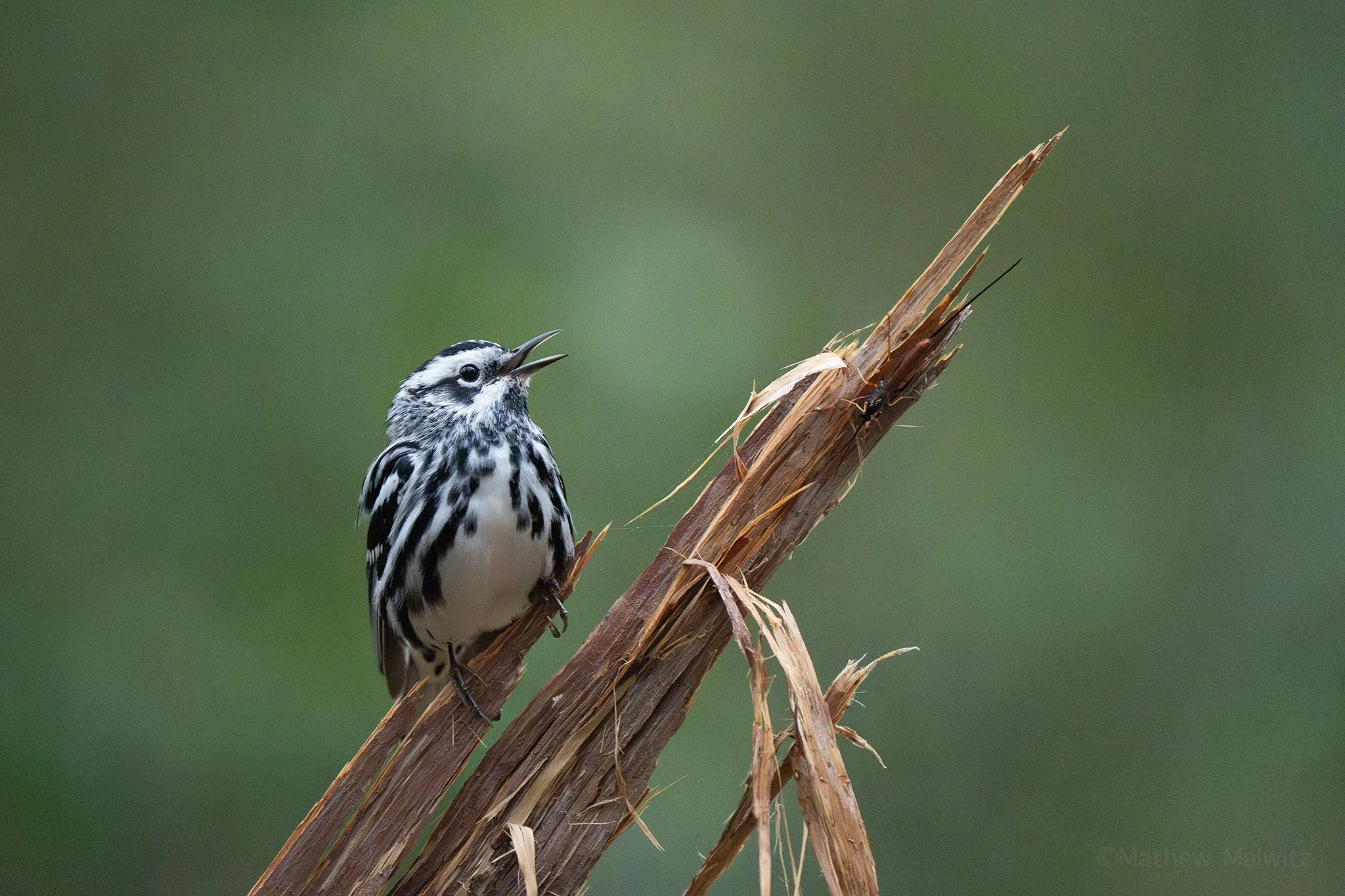
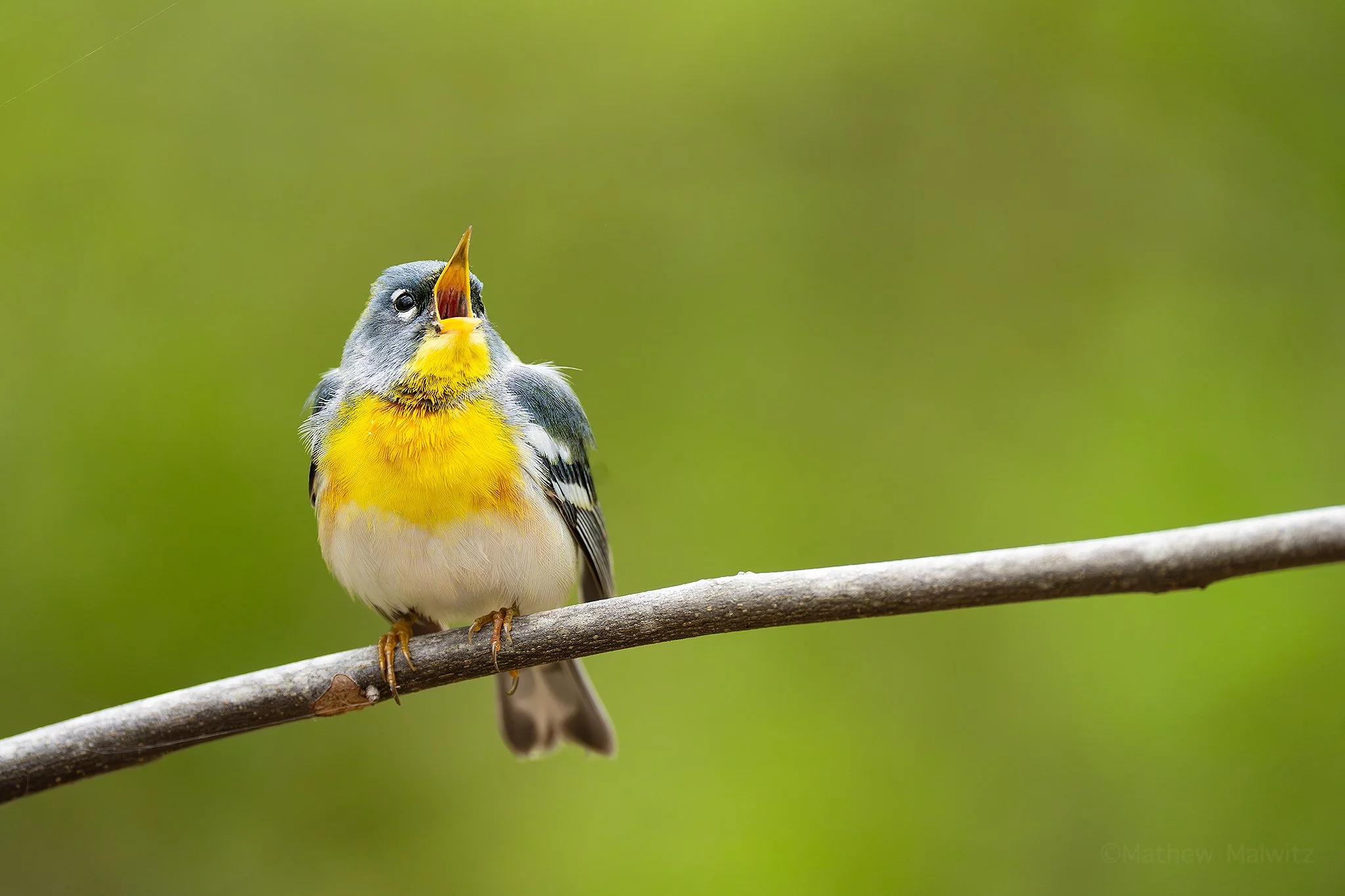
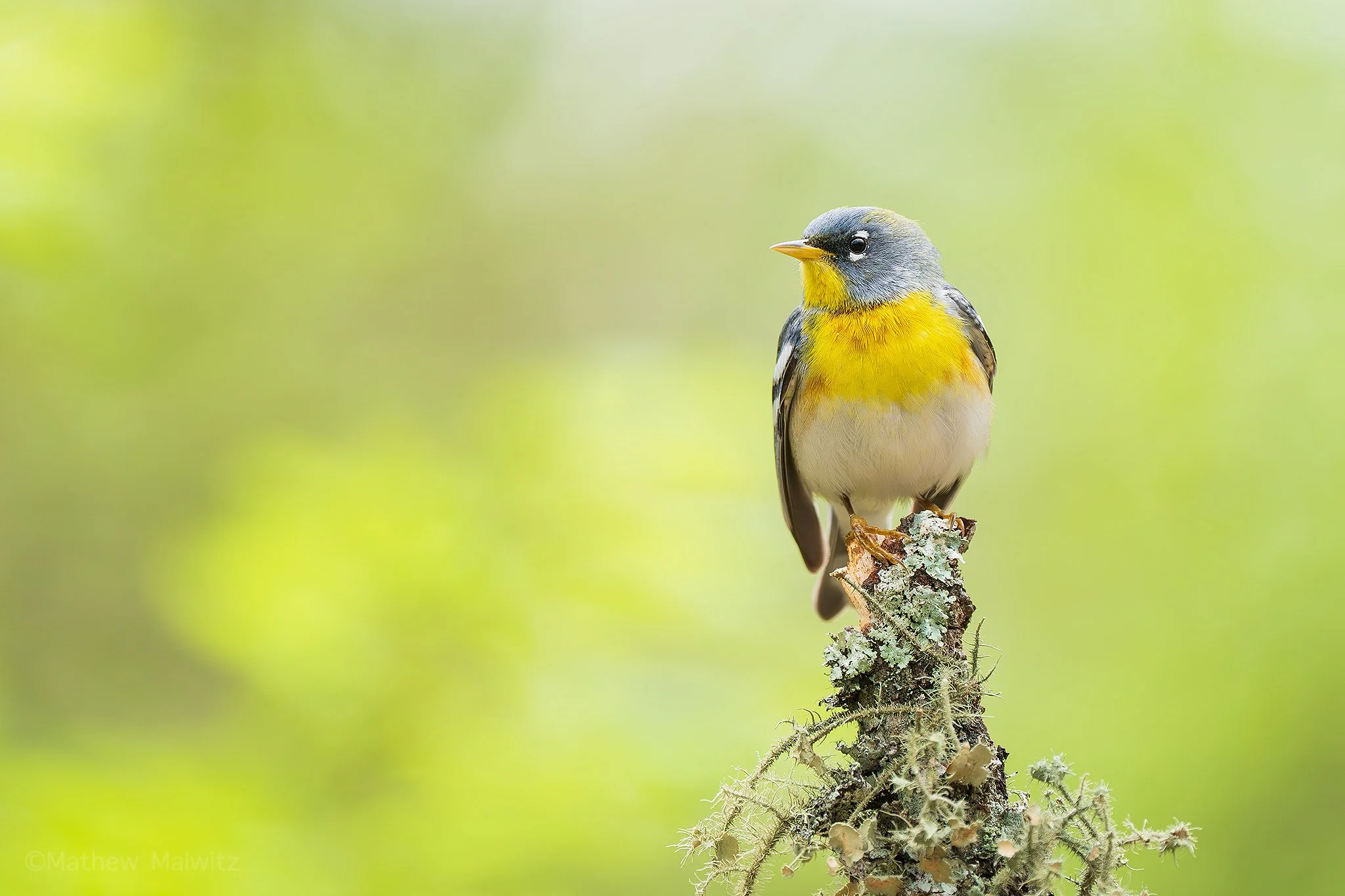
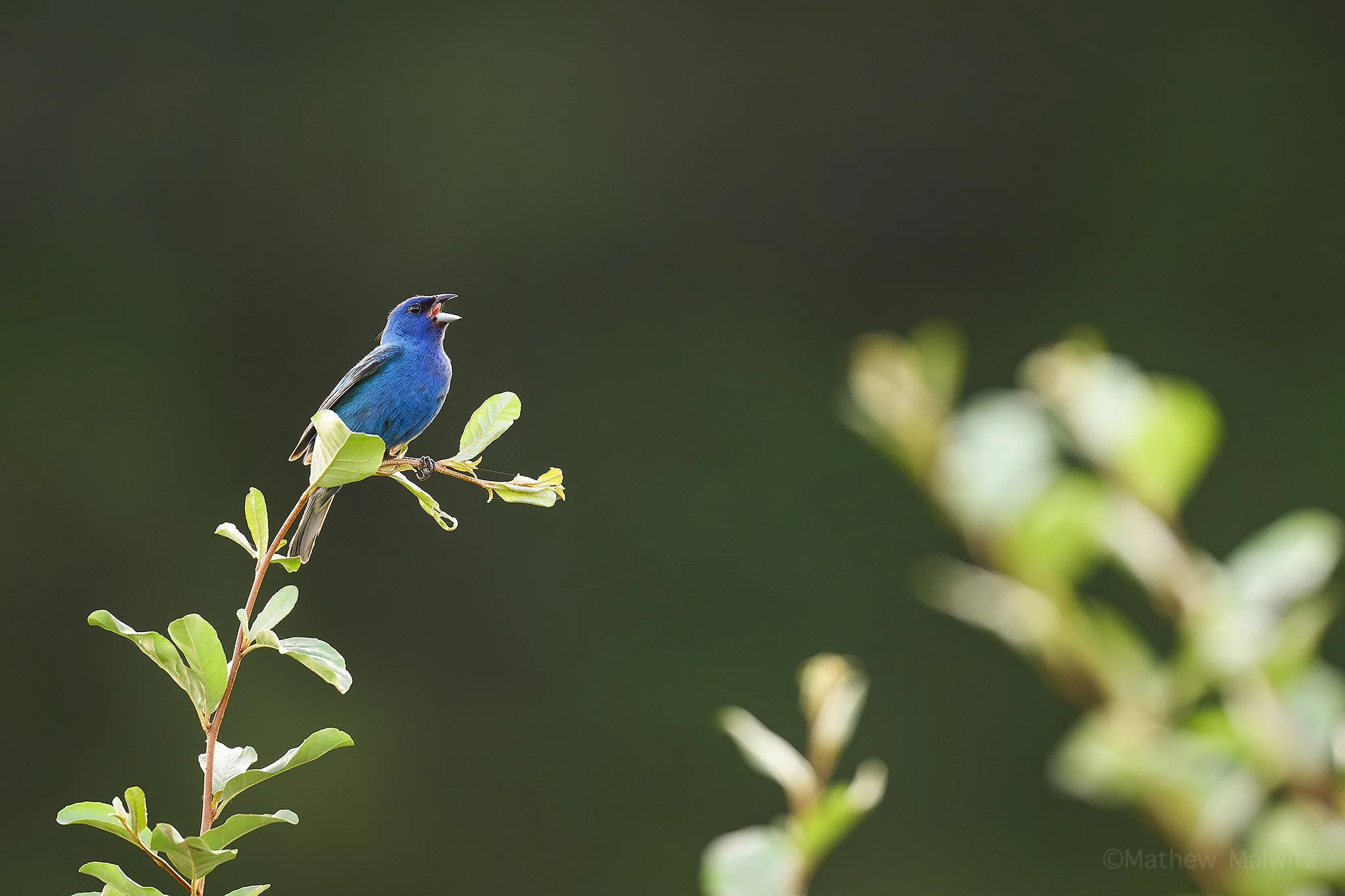
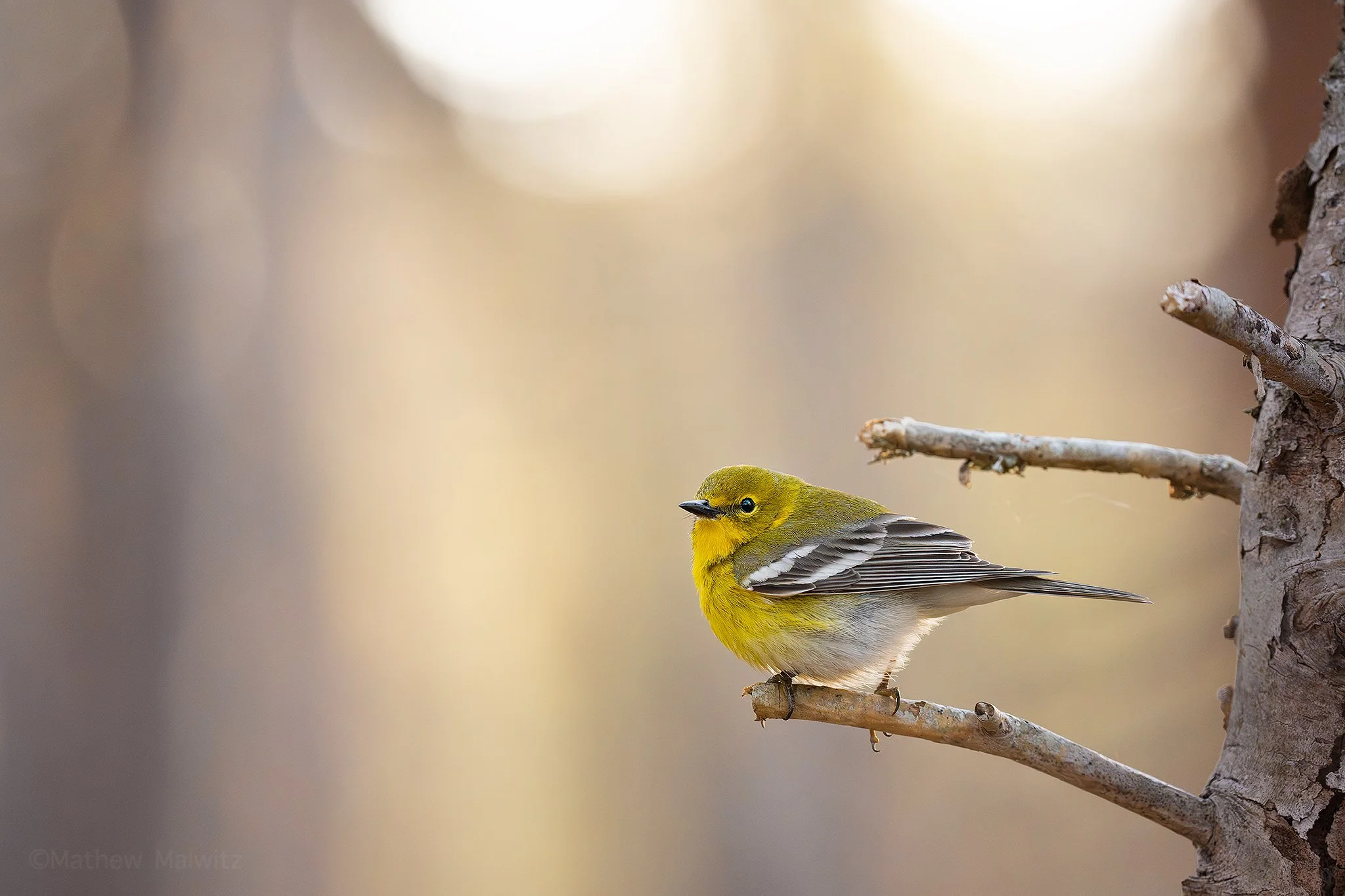
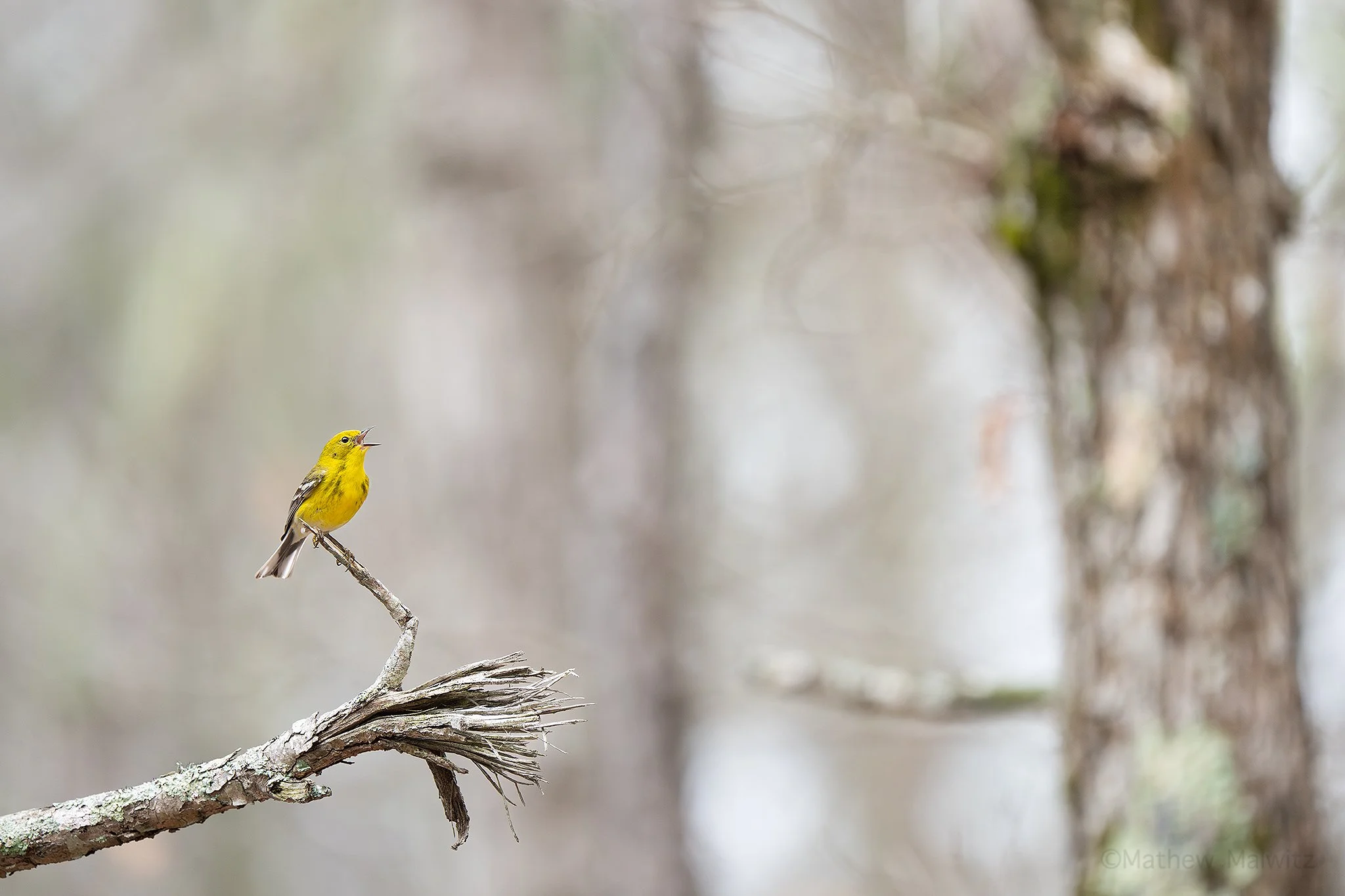
And just like that, warbler season in 2026 has come to an end. Every year offers something different, whether it be an abundance of once species, or a new location I find. There’s always something to set the one year apart from the last that keeps me photographing the same birds over and over again. You truly never know what you’re going to get, and that, I believe, is what keeps me engaged. This Spring has been a unique one for sure, with odd weather, and even odder bird behaviors. The season started out rather cold and windy, which is a dangerous combination. The cold impacts insect activity, which in turn hinders the birds ability to hunt. Wind, on the other hand, forces birds to expend more energy when flying, also leading them to hunker down. That said, through all the obstacles, it was a fruitful year, and I was fortunate enough to be joined by a number of excellent photographers during my Spring Songbird Workshops.
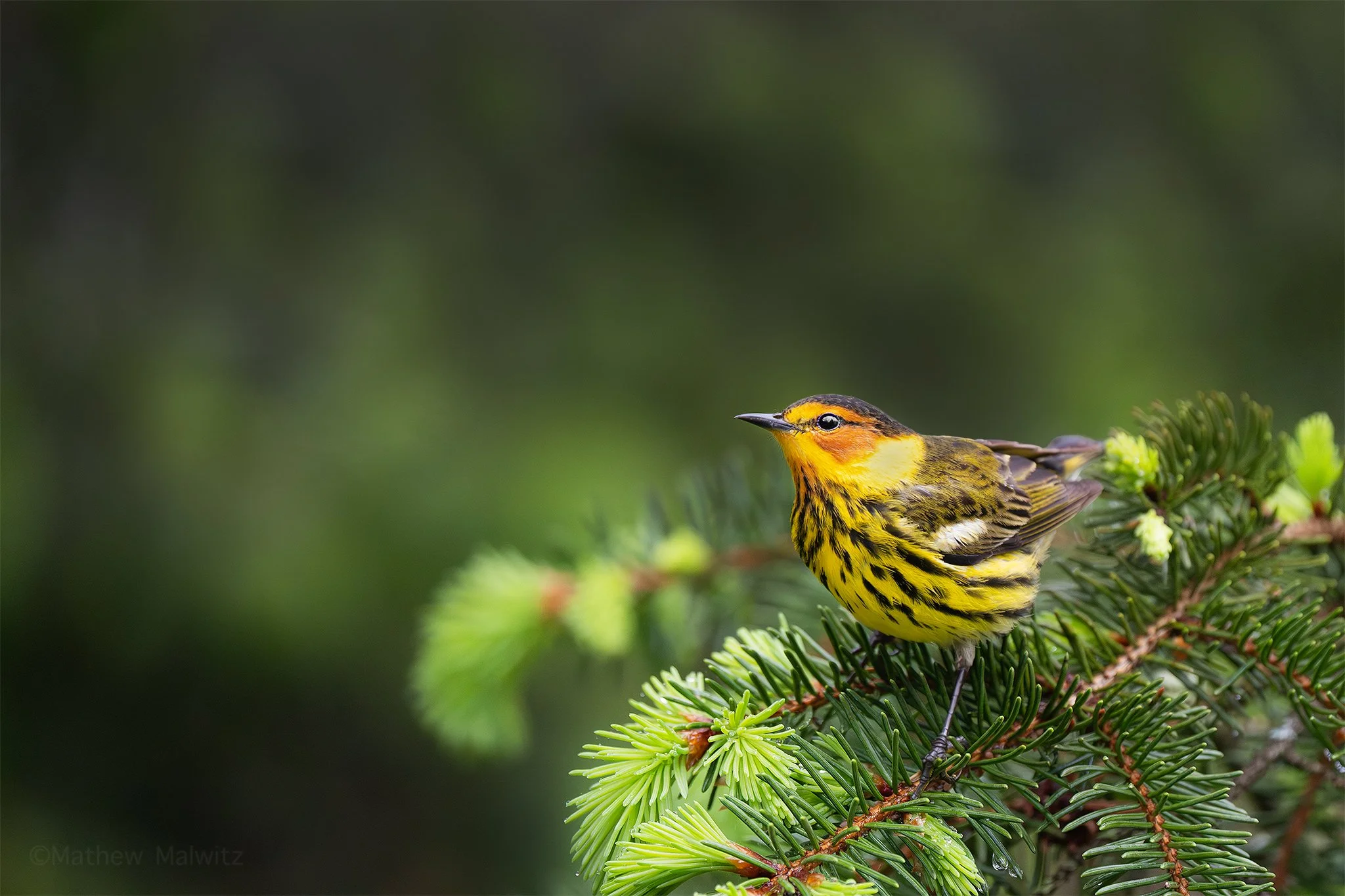
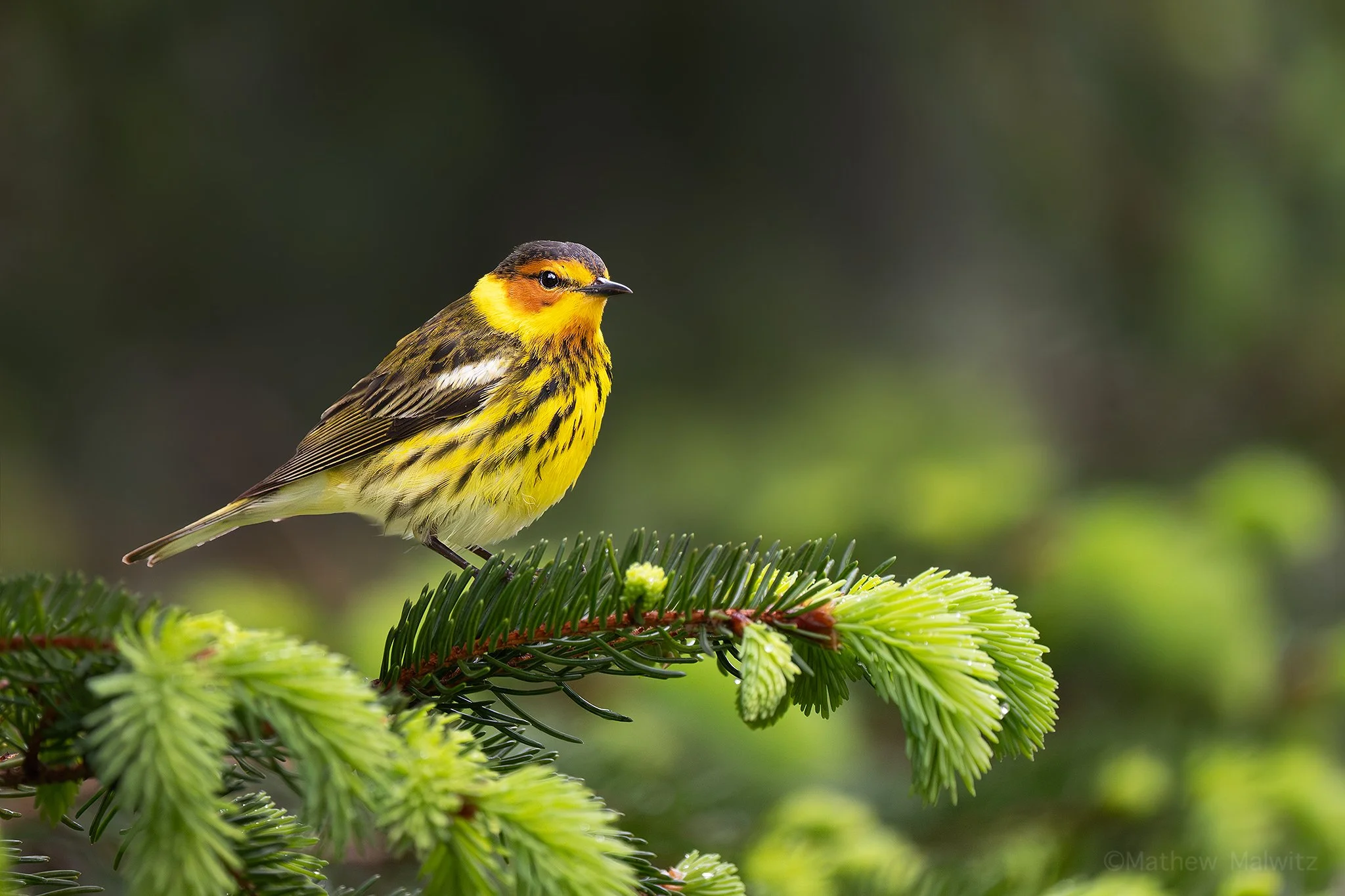
Some days were easier than others, but despite the challenges, there enough good days to offset the bad. I never had a good look at Magnolia or Golden-winged this year, but that comes with the territory. As mentioned above, each year is different, and some species are more prevalent some years and more difficult others. The real highlight this year was my first Cape May Warbler, which is a passerine species here in New Jersey. We don’t get many looks at this species at eye level, so a clean, open perched shot has never been something I expected. This encounter has me dreaming of Quebec for next season, but that’s a topic for a future blog.
This was also my first Warbler season using the Sony Alpha system. As a longtime Nikon user, I was curious to know how the A1 II and the 200-600mm lens would perform in these conditions, and I’m happy to report that all was well. In fact, I’d go as far as to call Sony’s autofocus system stickier than Nikon’s. This simply means that when it locked onto a subject, it had an easier time sticking to it than I was used to. Of course, I have to mention that I was primarily using an adapted F Mount 500mm f/4, and the older tech was not as advanced as the newer Z mount optics. That said, even the 180-600 Z lens struggled in these conditions.
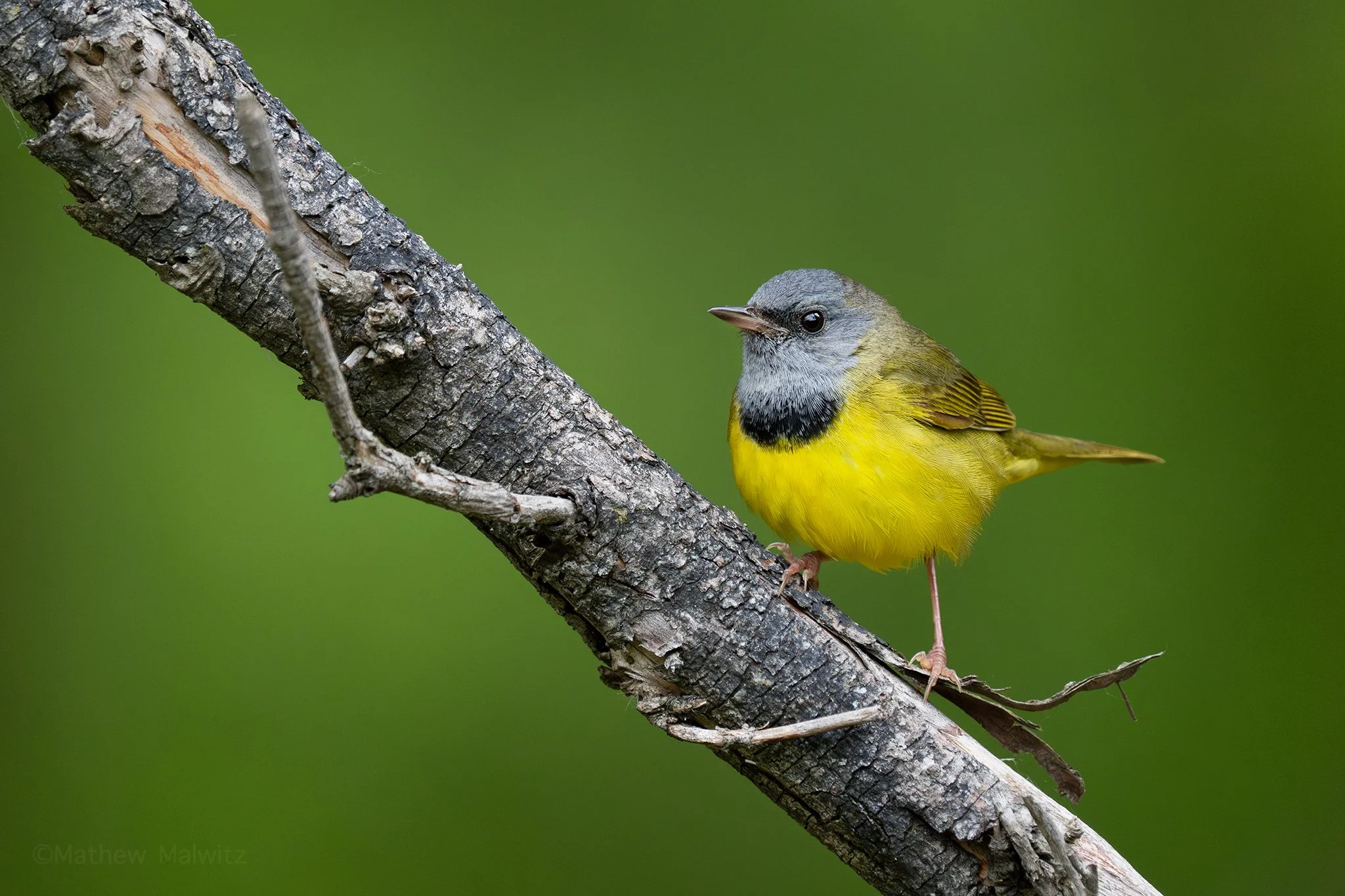
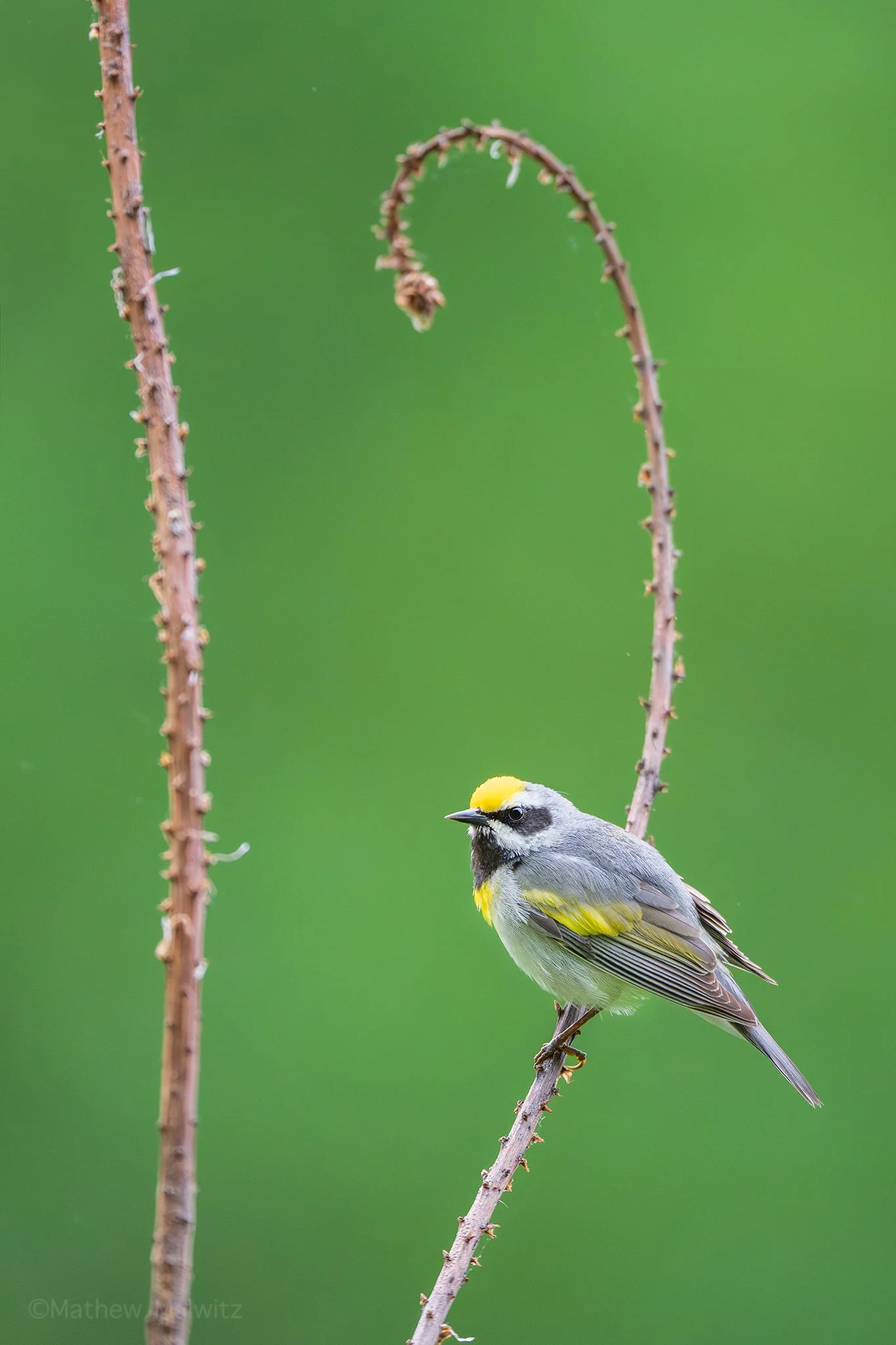
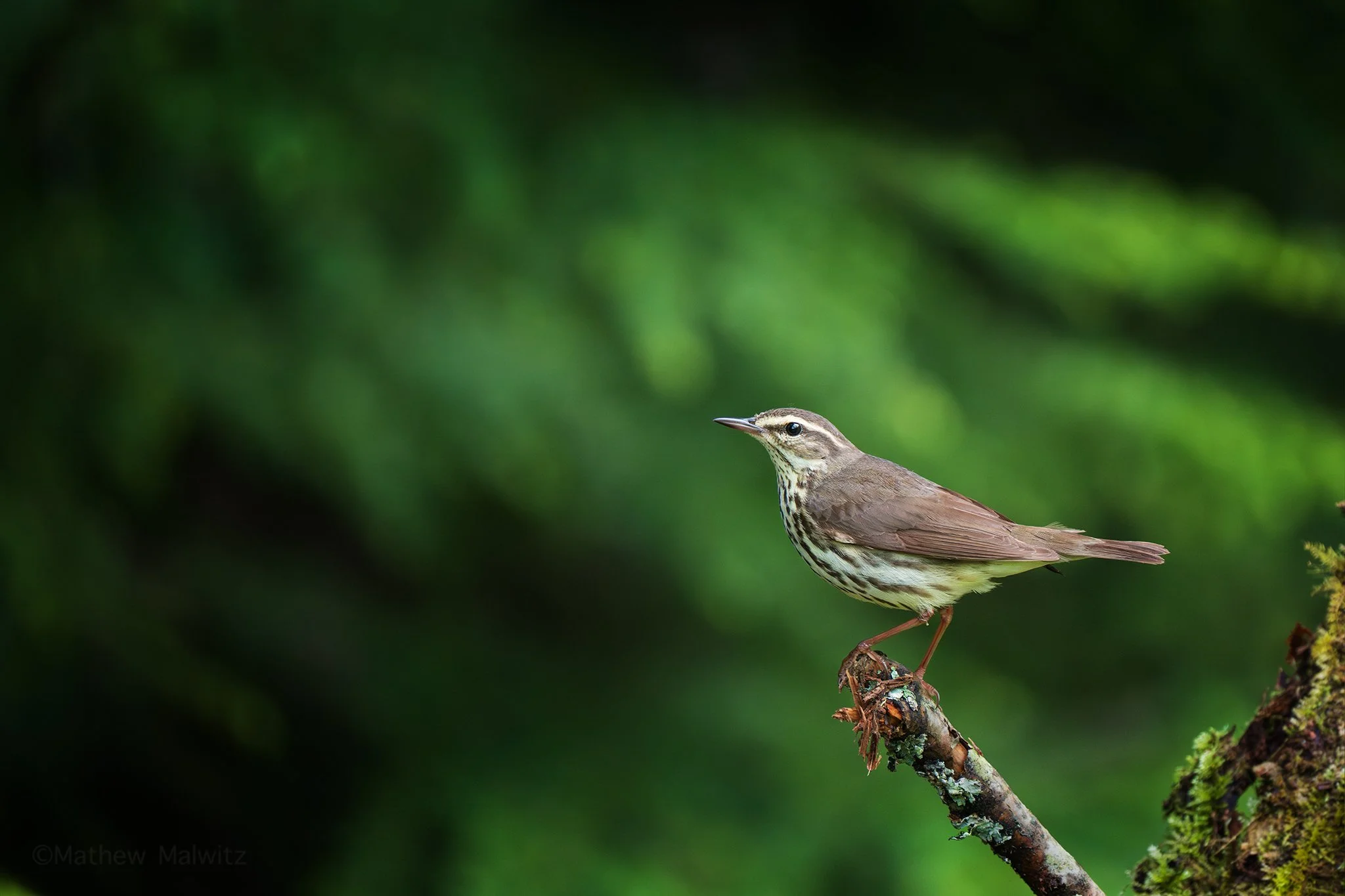
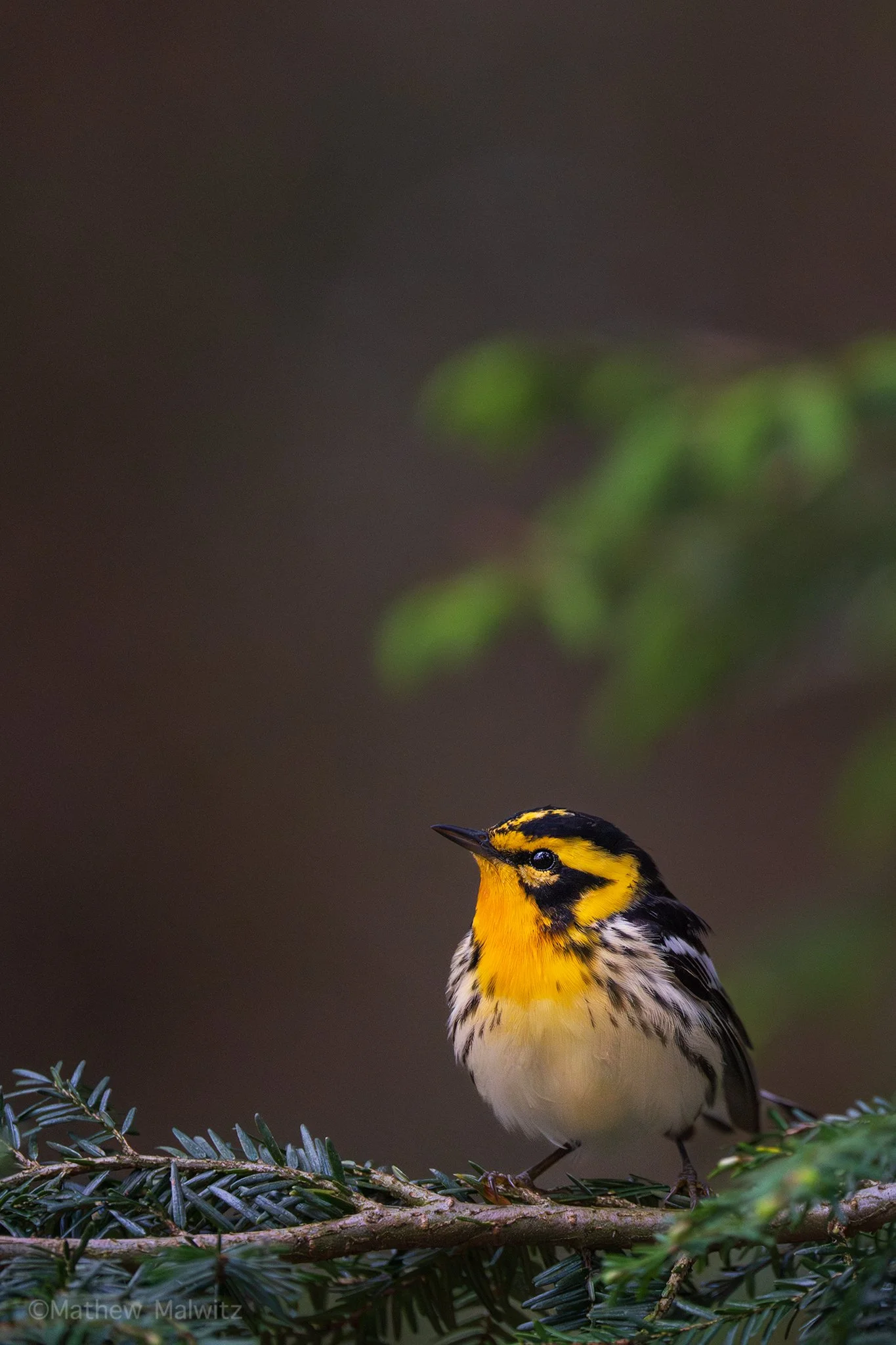
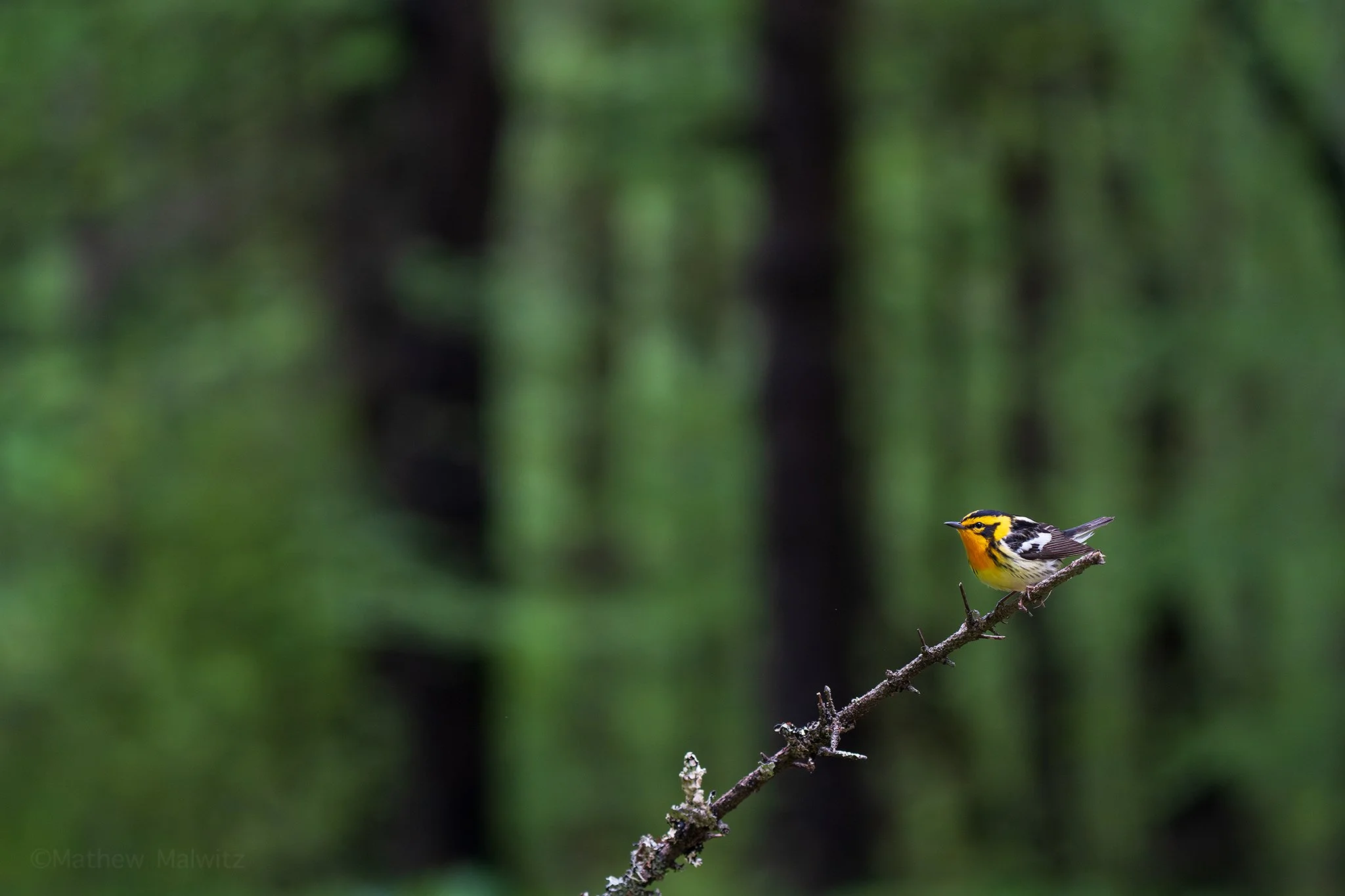
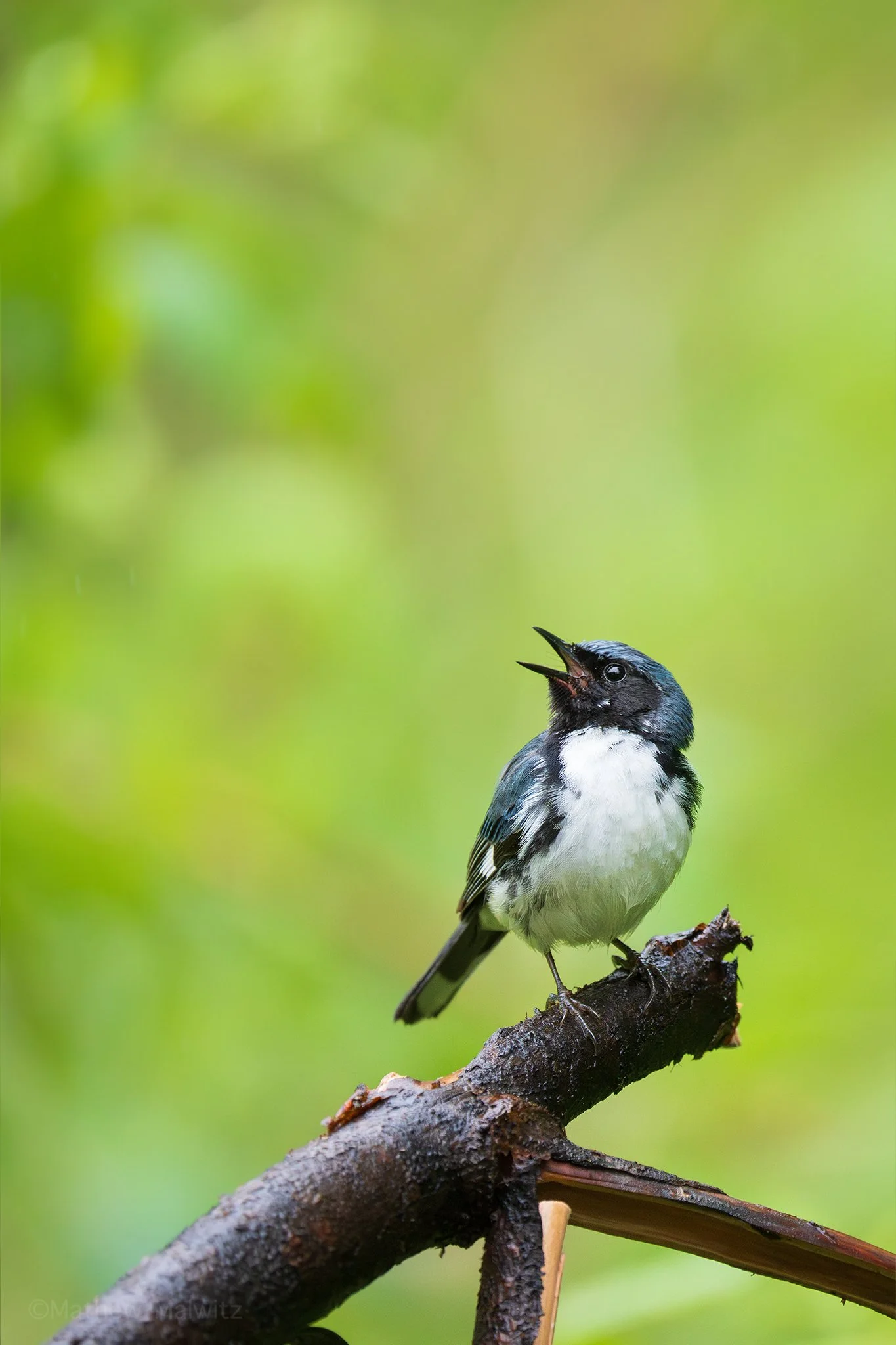
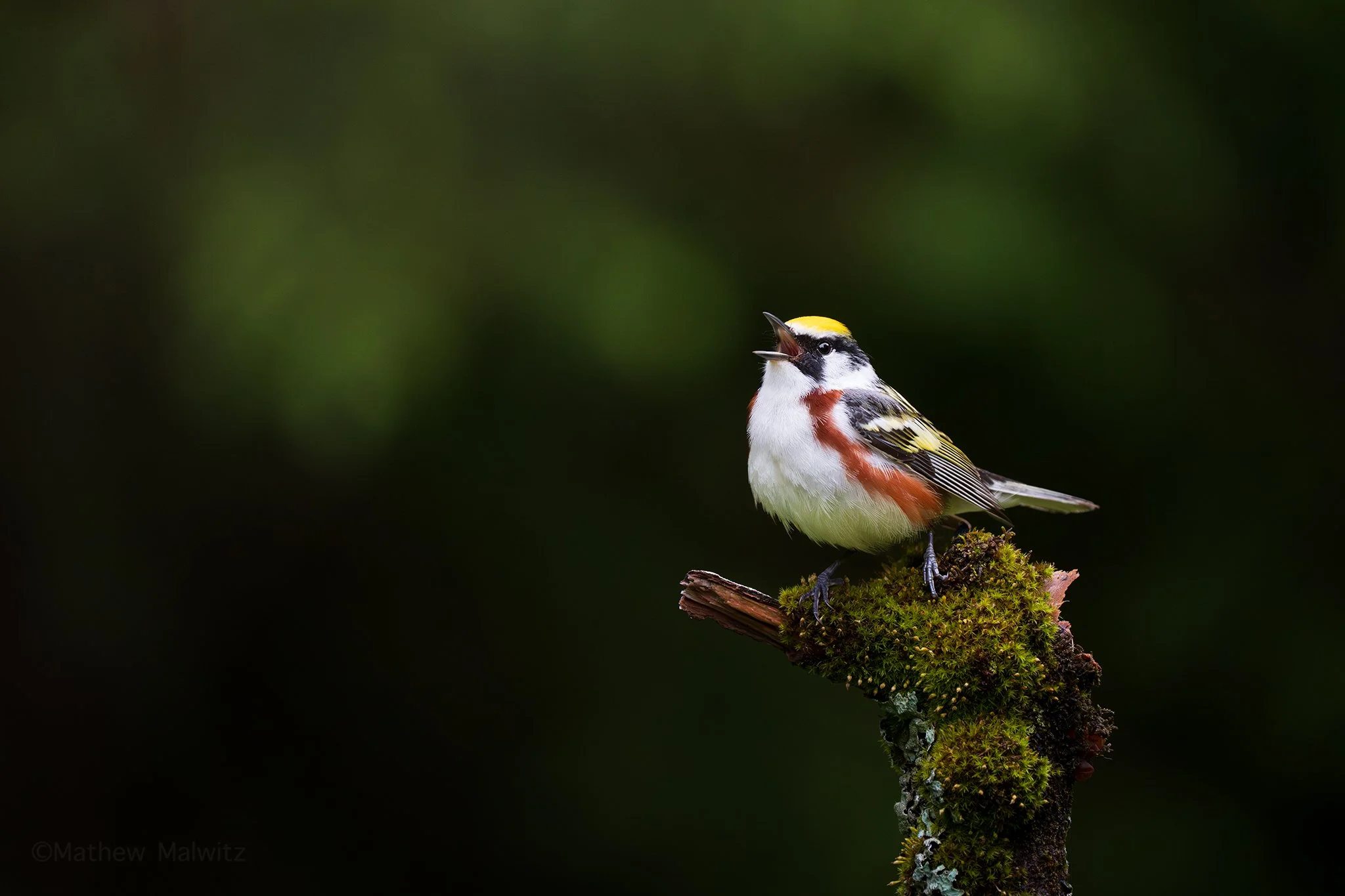
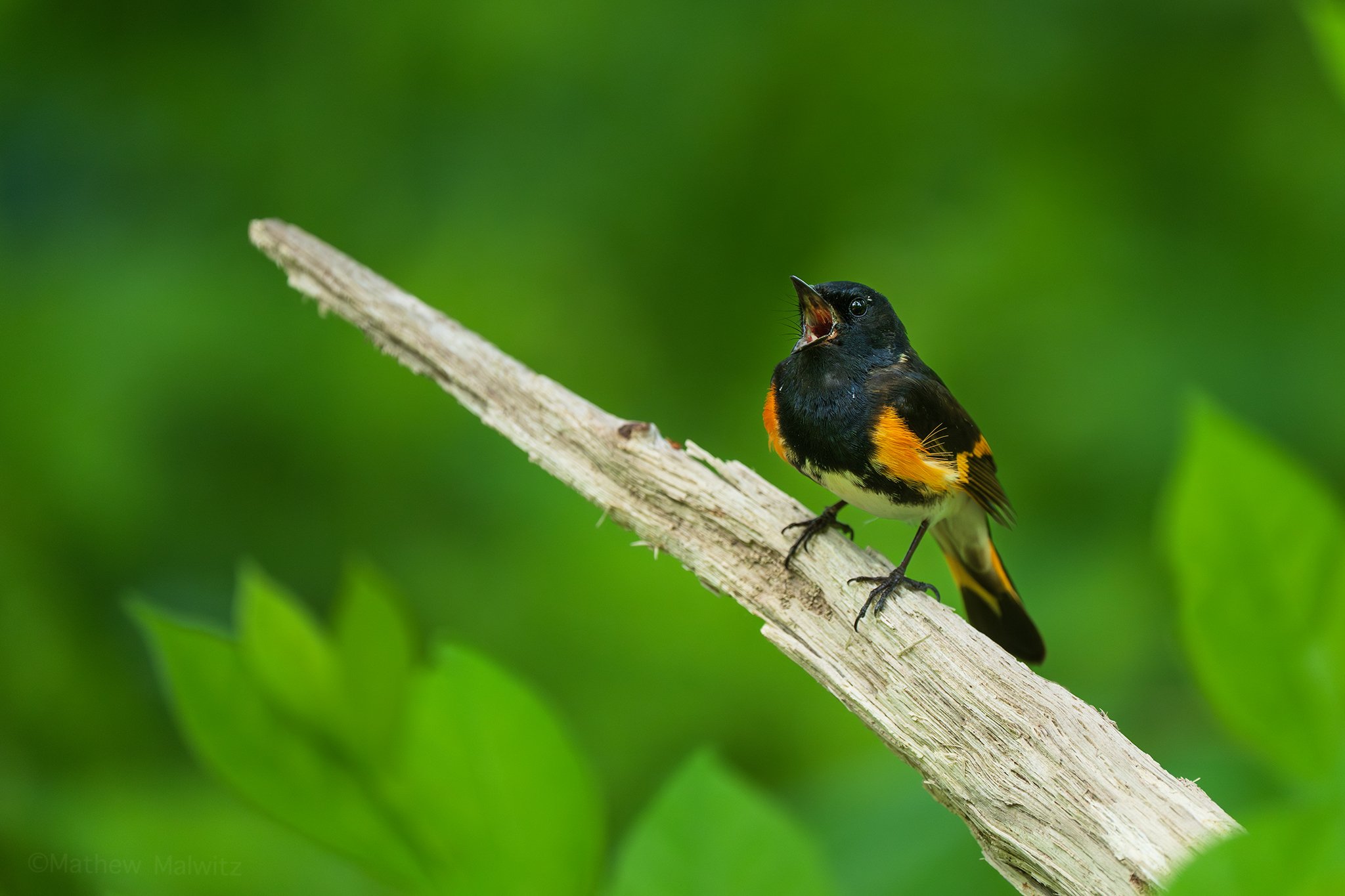
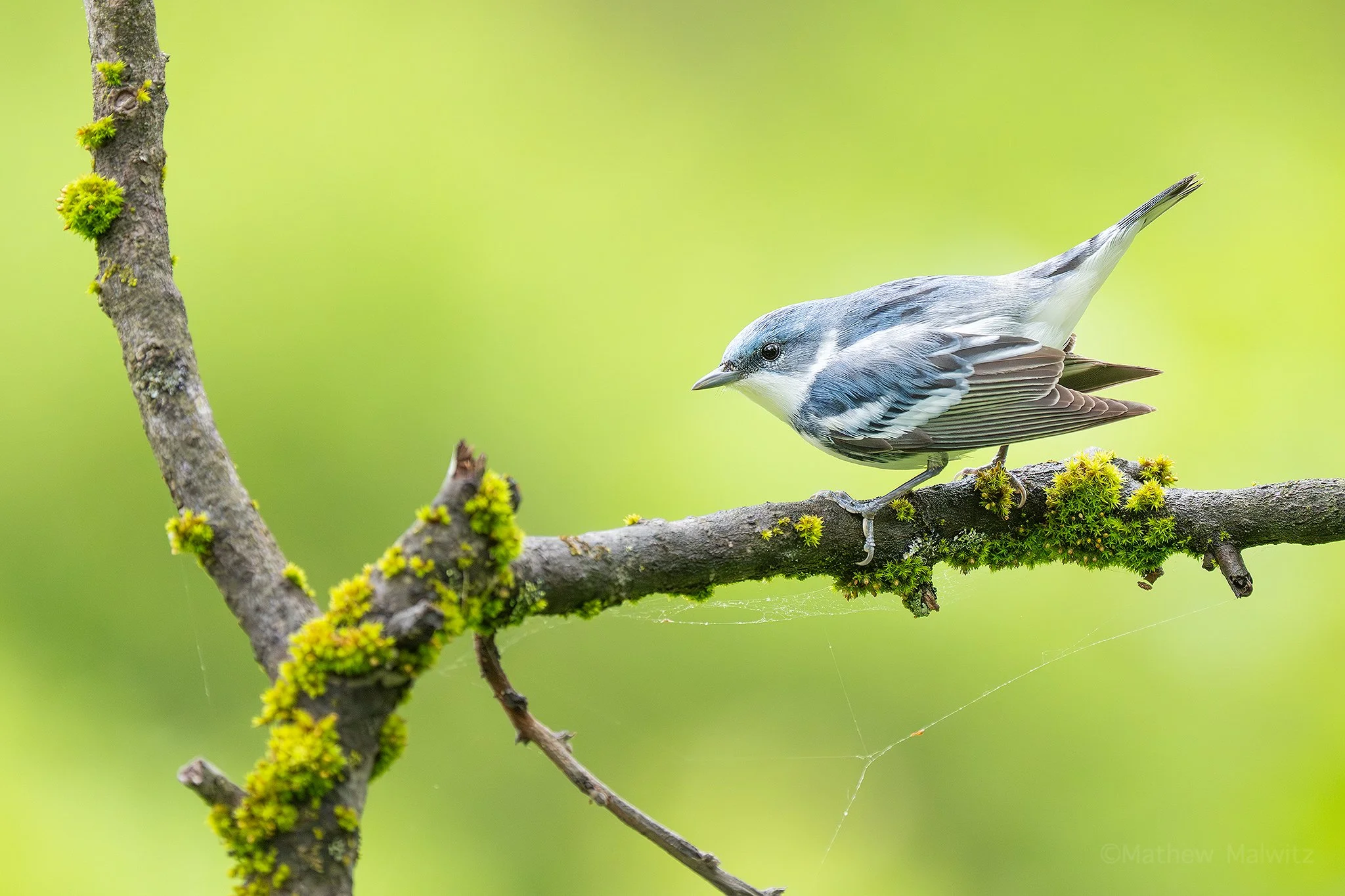
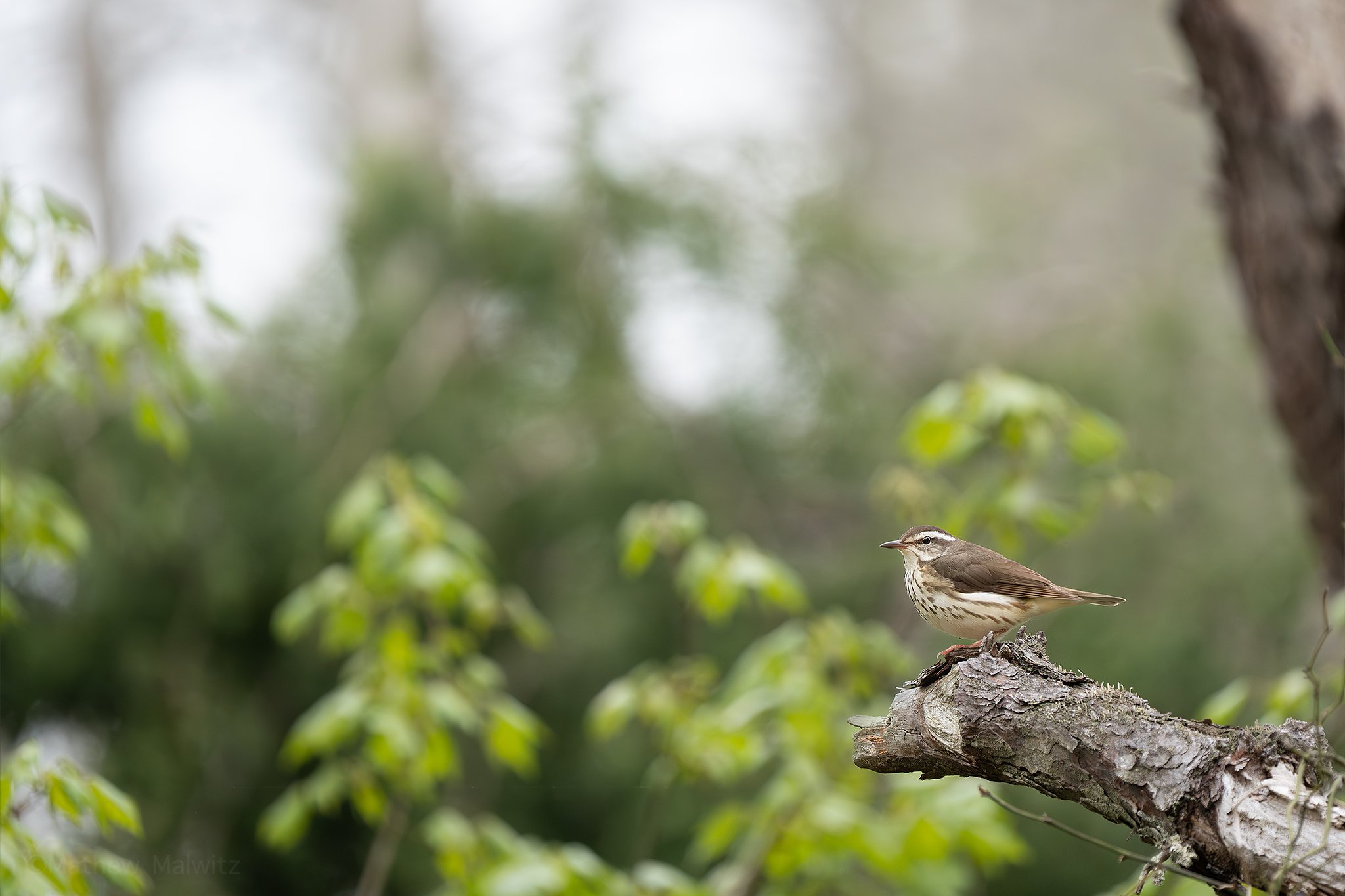
I’m curious to see how the Sony FE 300mm f2.8 GM performs, as I’m intending (fingers crossed!) on purchasing that lens later this year. However, I’ve been more than happy with the 200-600mm. If you don’t believe me, check out my previous blog report on my trip to Alaska earlier this year. My thoughts in that article remain the same, as the lens produced sharp images even in challenging lighting conditions. Without any further ado, let’s take a look at some warbler photographs. Let me know what you think and enjoy!